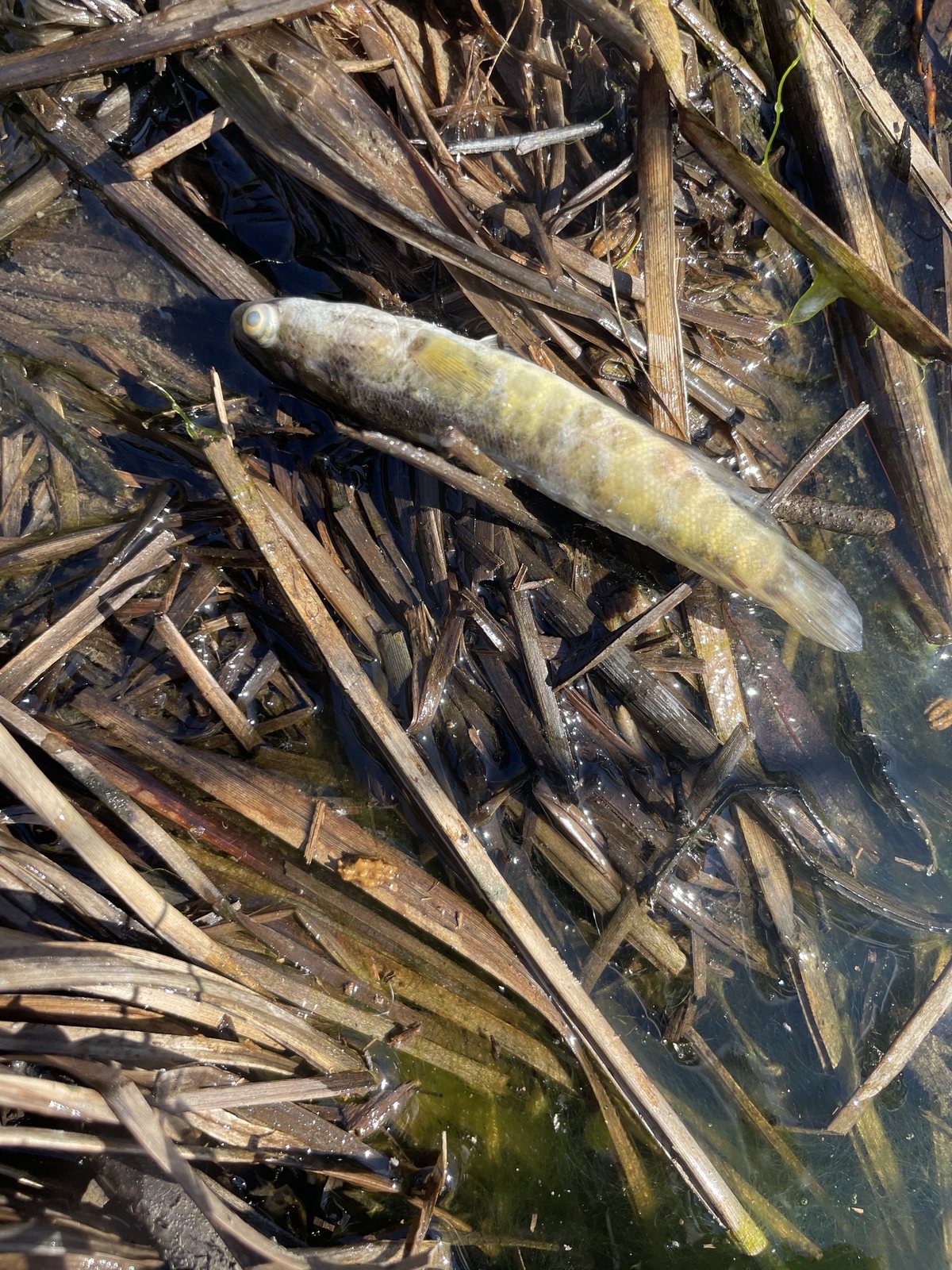
Documented northern snakehead water in Queens County, New York. Bronx drainage. 42 USGS specimen records (2005–2019); status: established. Location verified from the USGS Nonindigenous Aquatic Species database.
🏞 Non-tidal
Levels hold steady here — no tide to time. Fish low light early and late, work shade lines and wind-blown cover through the heat of the day.
Meadow Lake fishes like a lot of the metro-area snakehead water — non-tidal, so you're working light and cover rather than a moving clock. Snakeheads here relate hard to structure: pads, matted grass, laydown wood, any shady seam along the bank. They'll sit tucked under cover ambushing bluegill and shad, then slide out onto wind-blown edges or thinning grass to feed. Low light, dawn and dusk, is prime — that's when they push shallow and get aggressive on top. Midday in summer heat, look for the shadiest, thickest cover you can find; they'll pull back into it and sulk until the sun drops or a breeze stirs the surface film.
Shore access is solid — there's mapped parking about 0.24 mi from the water, close enough to walk in with a rod and a frog box and start covering pockets of pads and grass right away. If you want to cover more water or get a better angle on isolated wood and matted edges, there's a boat ramp roughly 2.02 mi off, workable for a kayak or small boat launch.
Tactics stay simple: weedless topwater frogs and buzzbaits worked right across the slop, chatterbaits punched through thinner grass edges, weedless soft plastics for skipping under overhangs. Spool up 40-65 lb braid — you need it to horse fish out of cover before they wrap you up.
🅿️ Parking & shore access
+ 9 more parking areas are on the map above. For every lot, tap 🅿️ All parking in Maps up top.
🛶 Boat ramps & launches
Parking near the ramp
Coordinates are approximate, for finding the general area. Snakehead is an invasive species — regulations on catching, keeping, transporting and killing it vary by state and change often. Never move a live snakehead between waters. Always confirm current rules with your state wildlife agency before you fish.