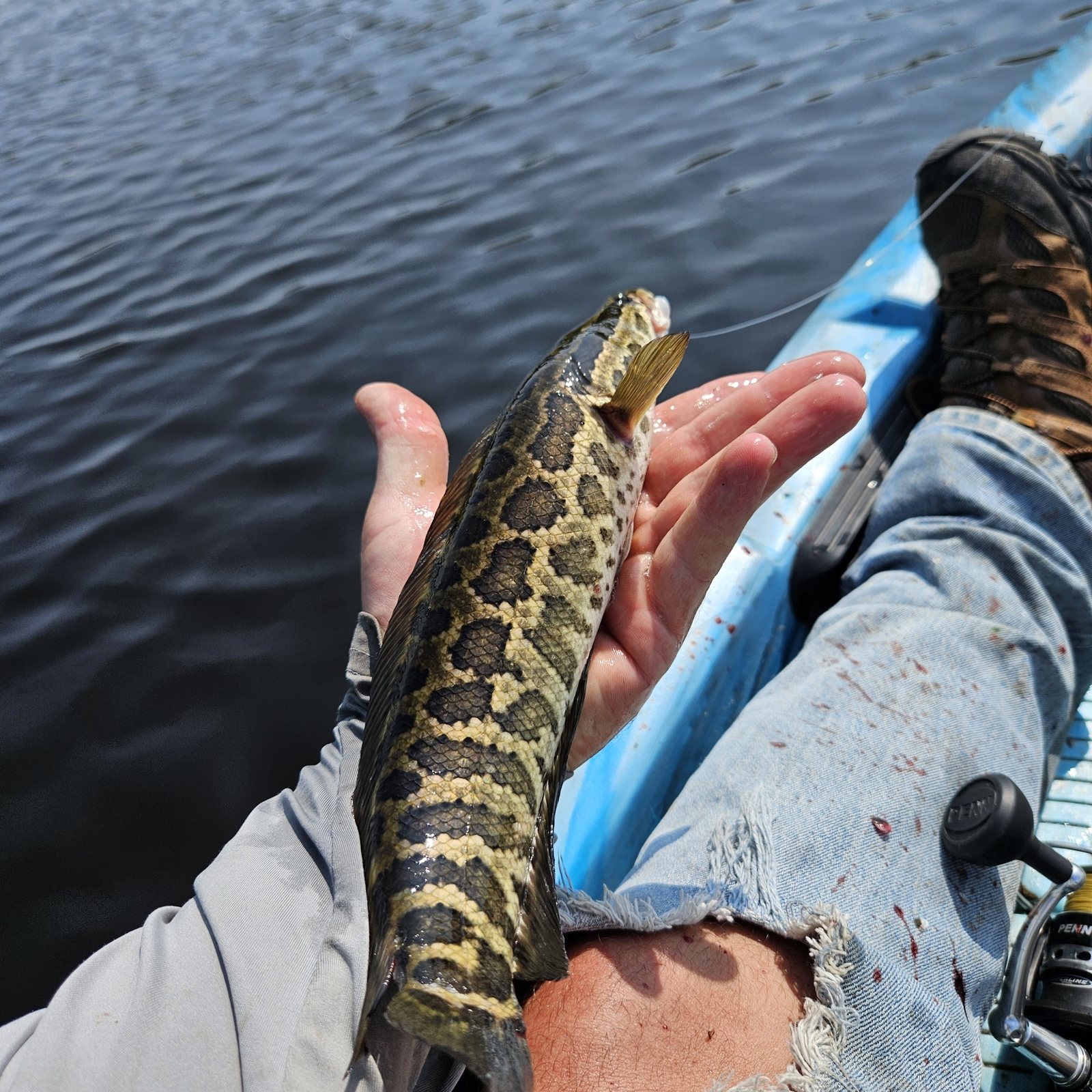
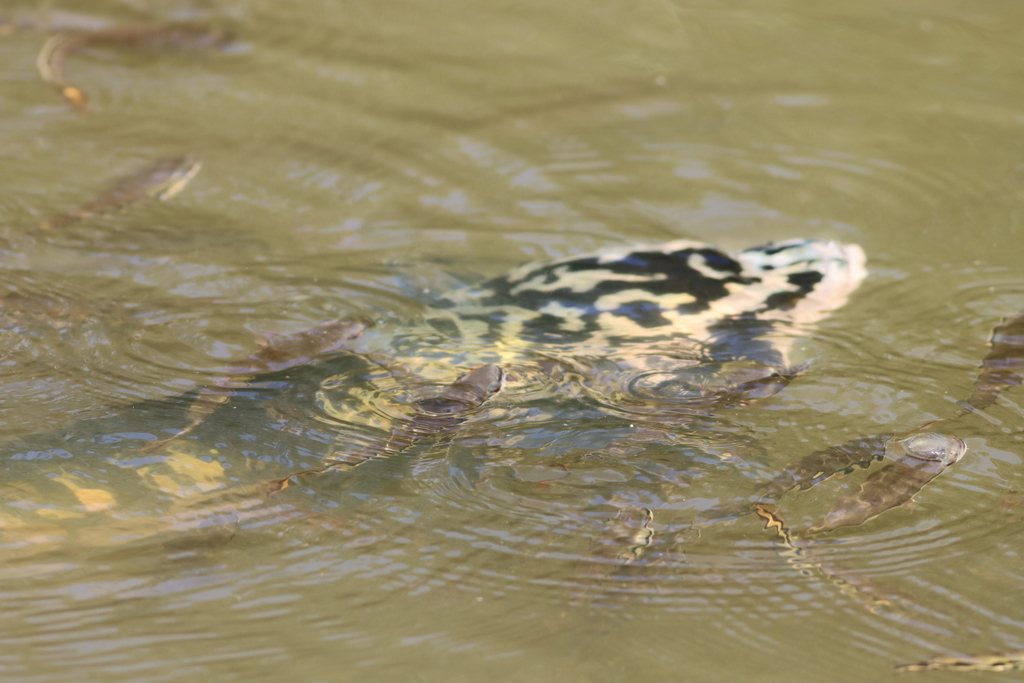
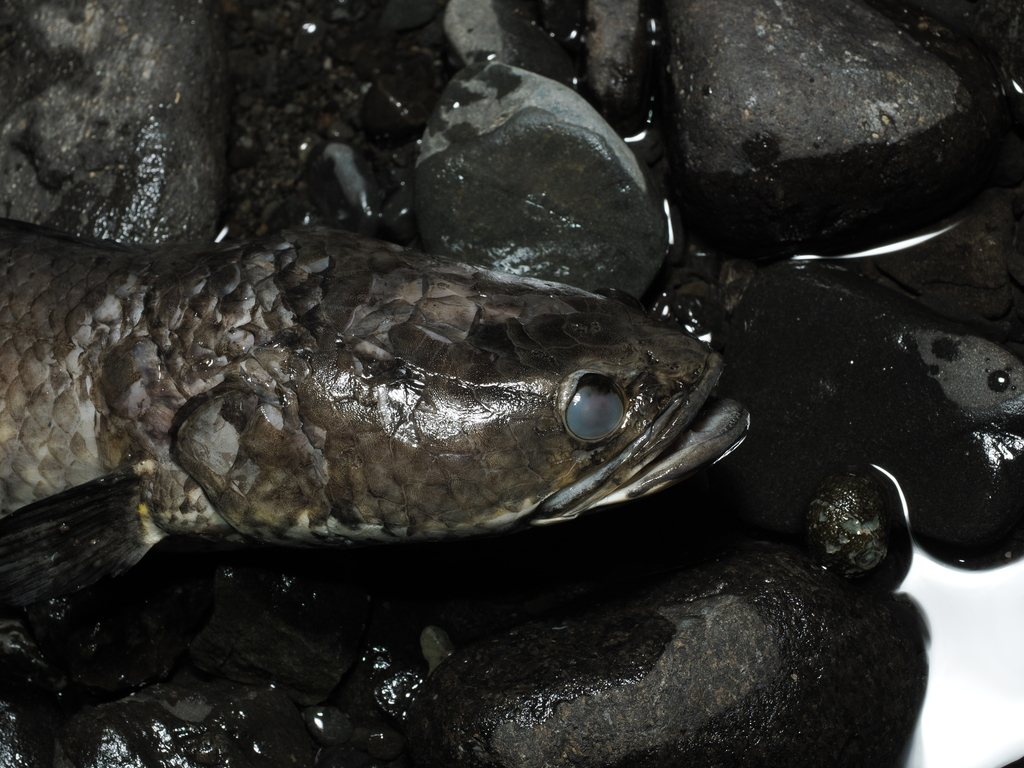
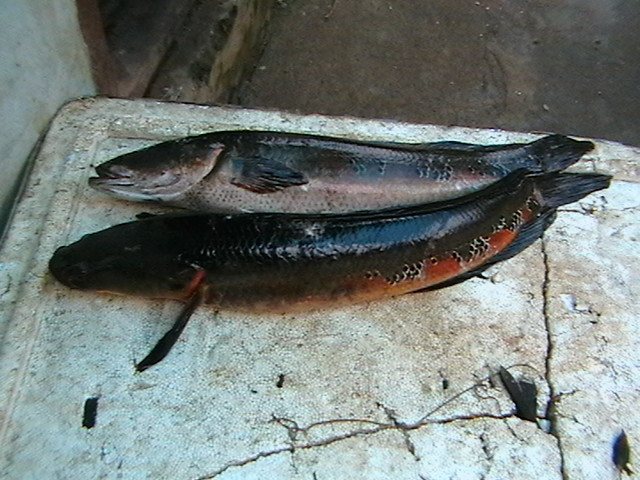
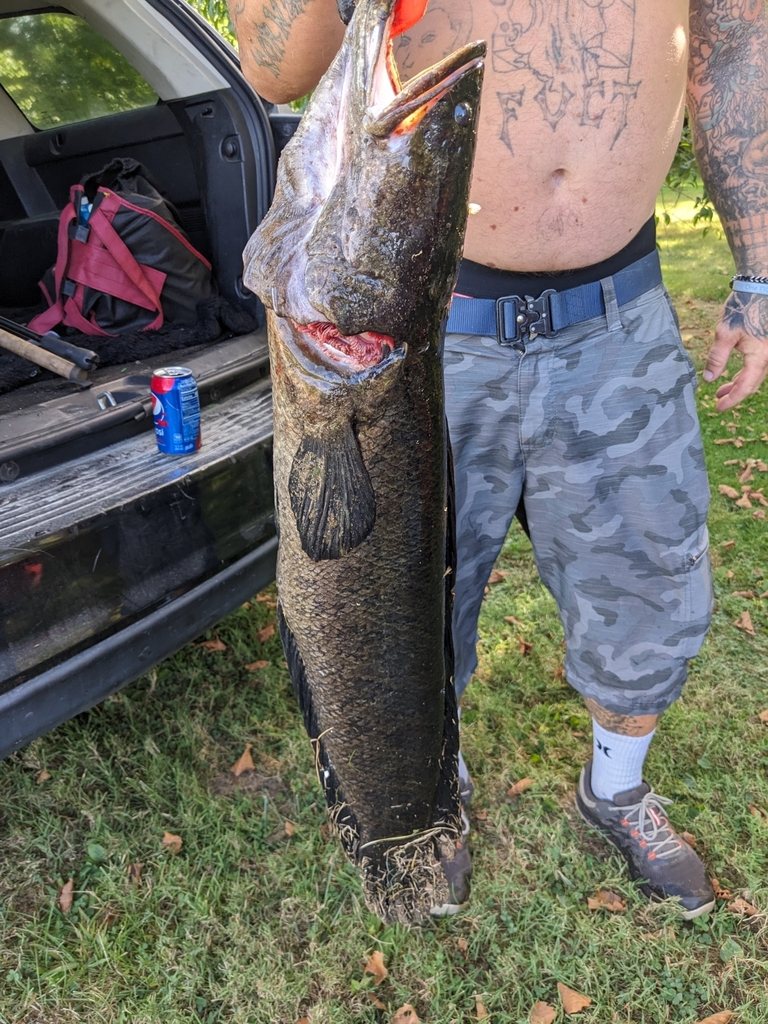
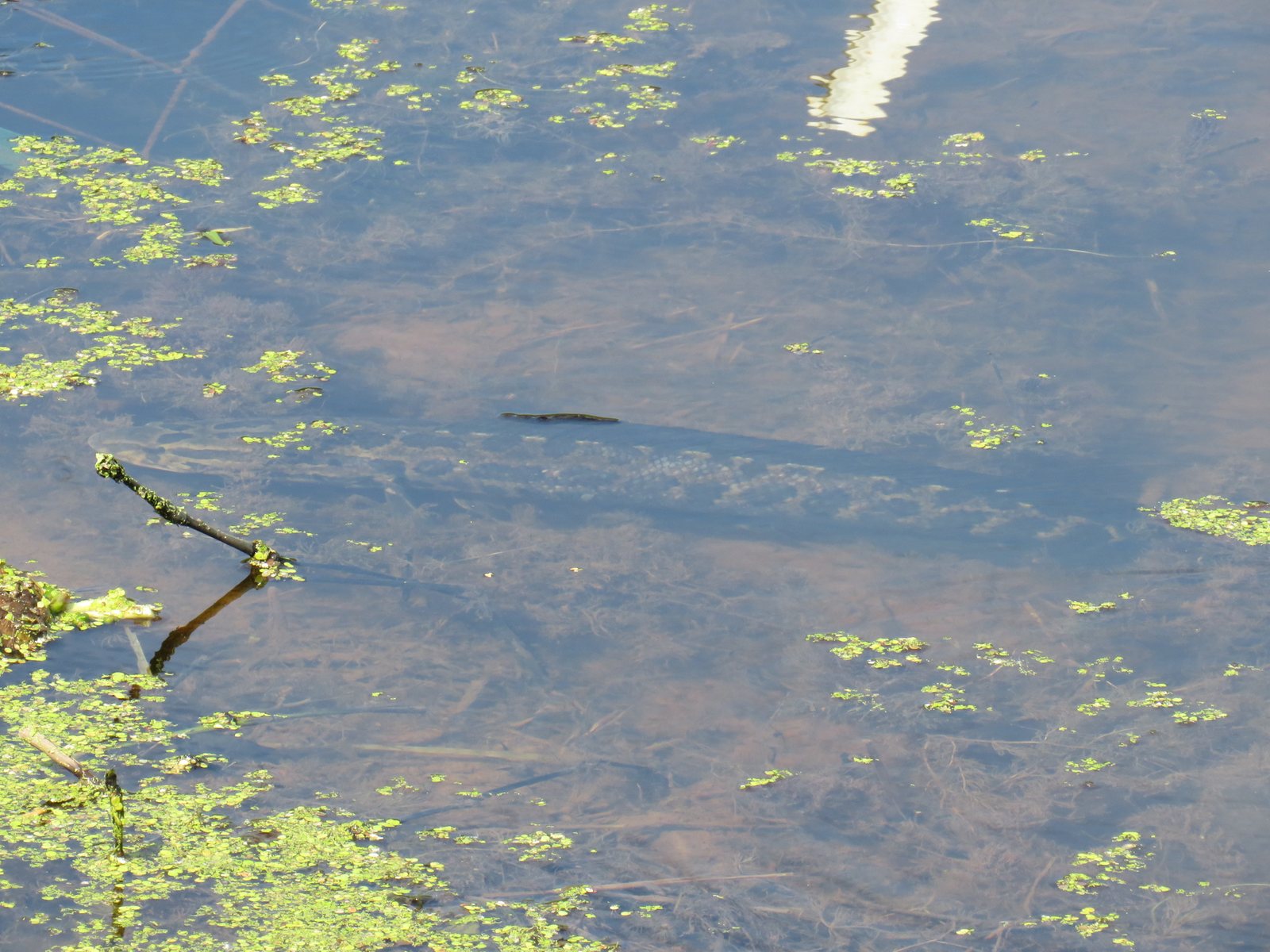
Documented northern snakehead water in Louisa County, Virginia. Pamunkey drainage. 1 USGS specimen record (2017); status: unknown. Location verified from the USGS Nonindigenous Aquatic Species database.
🏞 Non-tidal
Levels hold steady here — no tide to time. Fish low light early and late, work shade lines and wind-blown cover through the heat of the day.
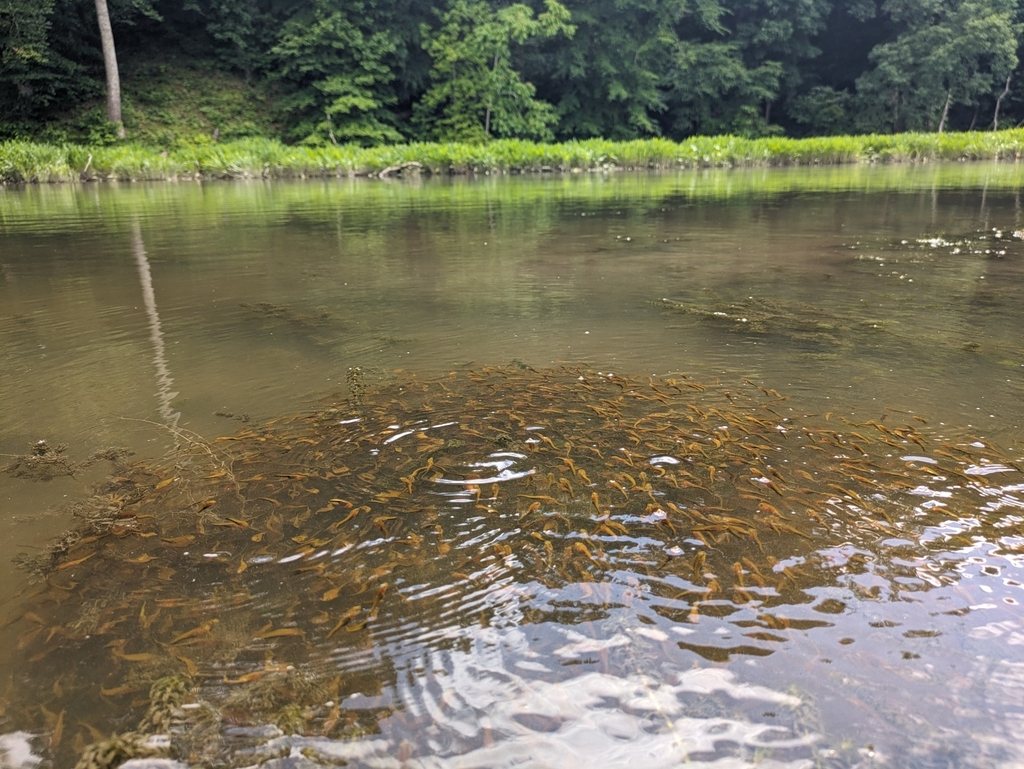
The North Anna is a solid non-tidal river fishery for northern snakehead, and since there's no tide to work around, the fish settle into a steady rhythm tied to light and cover instead. Look for them holding tight to pads, matted grass, and laydown wood along the slower stretches and backwaters — they'll sit motionless under the mats waiting to ambush, then explode on anything that invades their space. Wind-blown pockets of cover concentrate baitfish and put snakehead on alert, so don't ignore a stiff breeze pushing into a grass line.
Early morning and last light are your best windows here, when snakehead push shallow to feed aggressively in skinny water. Through the heat of the day, shift to shaded cover — undercut banks, shadowed wood, and thick canopy over the pads — where fish slide to escape the sun but stay catchable. Boat and kayak anglers have a real edge on the North Anna, with a ramp mapped about 0.04 mi from the water, letting you slip right onto prime water and hit multiple cover pockets in a morning. Shore access is more of a commitment, with parking mapped around 2.05 mi out, so plan for a walk-in approach.
Rig up with 40-65 lb braid and lean on weedless topwater frogs and buzzbaits worked over matted cover, plus chatterbaits and weedless soft plastics for subsurface presentations when fish are holding deeper in the grass.
🅿️ Parking & shore access
For every lot, tap 🅿️ All parking in Maps up top.
🛶 Boat ramps & launches
Parking near the ramp
Coordinates are approximate, for finding the general area. Snakehead is an invasive species — regulations on catching, keeping, transporting and killing it vary by state and change often. Never move a live snakehead between waters. Always confirm current rules with your state wildlife agency before you fish.