
Fishing Reports
Snakehead caught in Delaware waterways
A snakehead was hooked and caught in Delaware waters, marking an incident in the state's ongoing invasive species monitoring.
Cecil Daily · added 3d ago · DE
Documented northern snakehead water in New Castle County, Delaware. Delaware Bay drainage. 1 USGS specimen record (2015); status: established. Location verified from the USGS Nonindigenous Aquatic Species database.
Northern snakehead have made themselves at home in the Delaware River's shallow, sluggish edges, and that's where you need to be looking. Any backwater with vegetation mats, submerged wood, or overhanging grass is worth working slowly. These fish are ambush predators that sit tight to cover waiting for something to swim overhead, so don't waste time blind-casting open water when there's a shady wood tangle or matted pad field nearby.
Because this stretch is tidal, with Delaware City the closest reference station about 2.6 miles off, timing matters as much as location. High tide pushes snakehead deep into flooded grass and brush where they're nearly impossible to draw out. As the tide starts to fall, that same cover gets squeezed and baitfish get pushed out into slightly deeper pockets and channel edges — that ebb movement is when snakehead turn aggressive and start hunting, making the last two hours of a falling tide the prime window.
Shore access here means parking roughly 1.56 miles out and walking in, which works fine for bank fishing likely holding spots. If you want to cover more skinny water and reach the thicker cover, launching from the boat ramp about 2.65 miles away opens up more of the river's backwaters.
Go weedless — topwater frogs and buzzbaits worked right across the mats draw violent strikes, and chatterbaits or weedless soft plastics fished along cover edges close the deal. Spool up with 40-65 lb braid; these fish fight dirty and will bury you in cover the second they're hooked.
+ 9 more parking areas are on the map above. For every lot, tap 🅿️ All parking in Maps up top.
A snakehead was hooked and caught in Delaware waters, marking an incident in the state's ongoing invasive species monitoring.
Pennsylvania Fish & Boat Commission and Penn State are partnering to study invasive northern snakeheads now established in Delaware, Schuylkill, and S…
Federal biologists confirm northern snakeheads are now established in seven states, with major populations in the Potomac River, Delaware River waters…
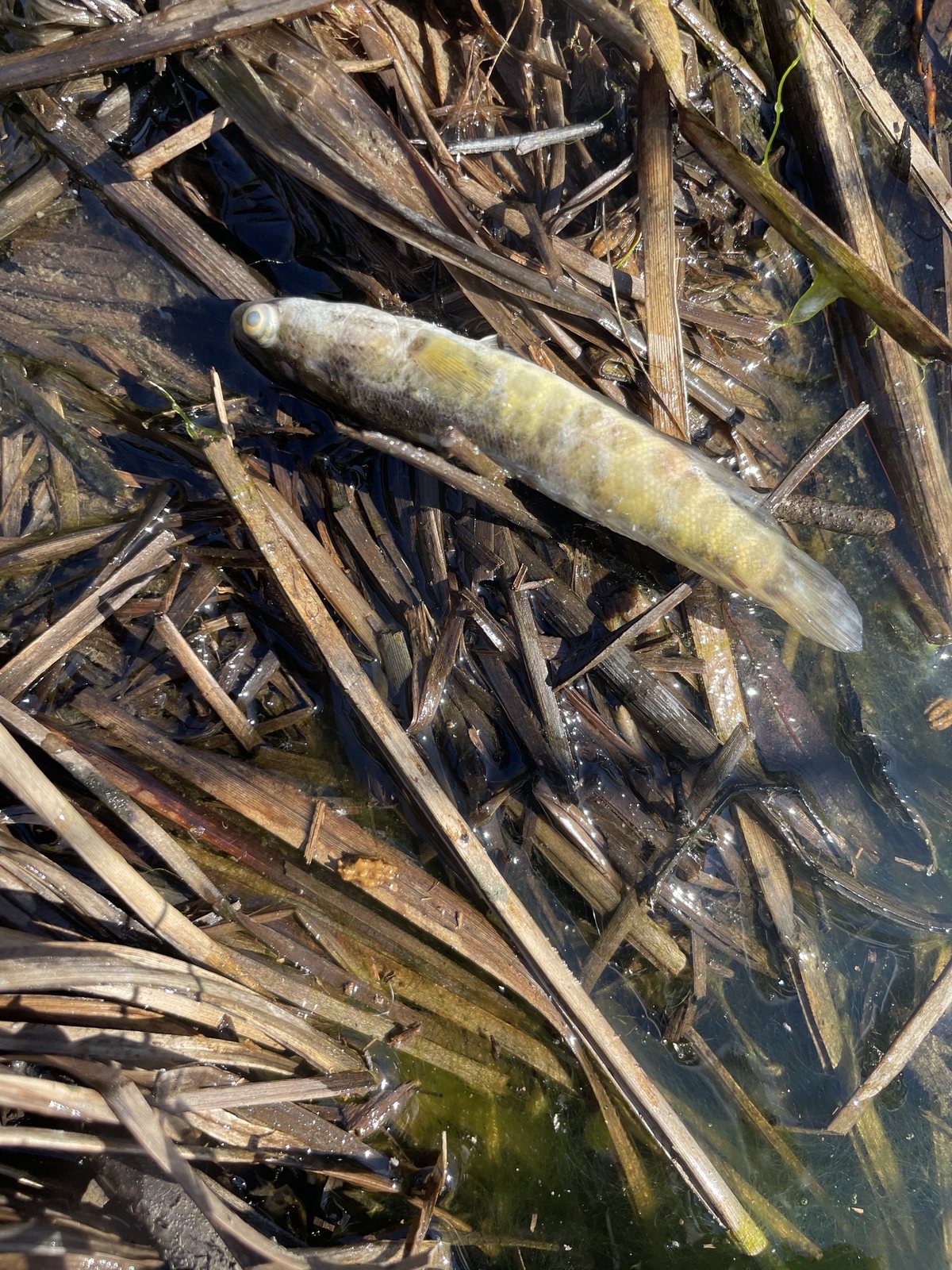
Drexel University and Academy of Natural Sciences researchers used electro-fishing to survey northern snakehead populations in Meadow Lake, Pennsylvan…
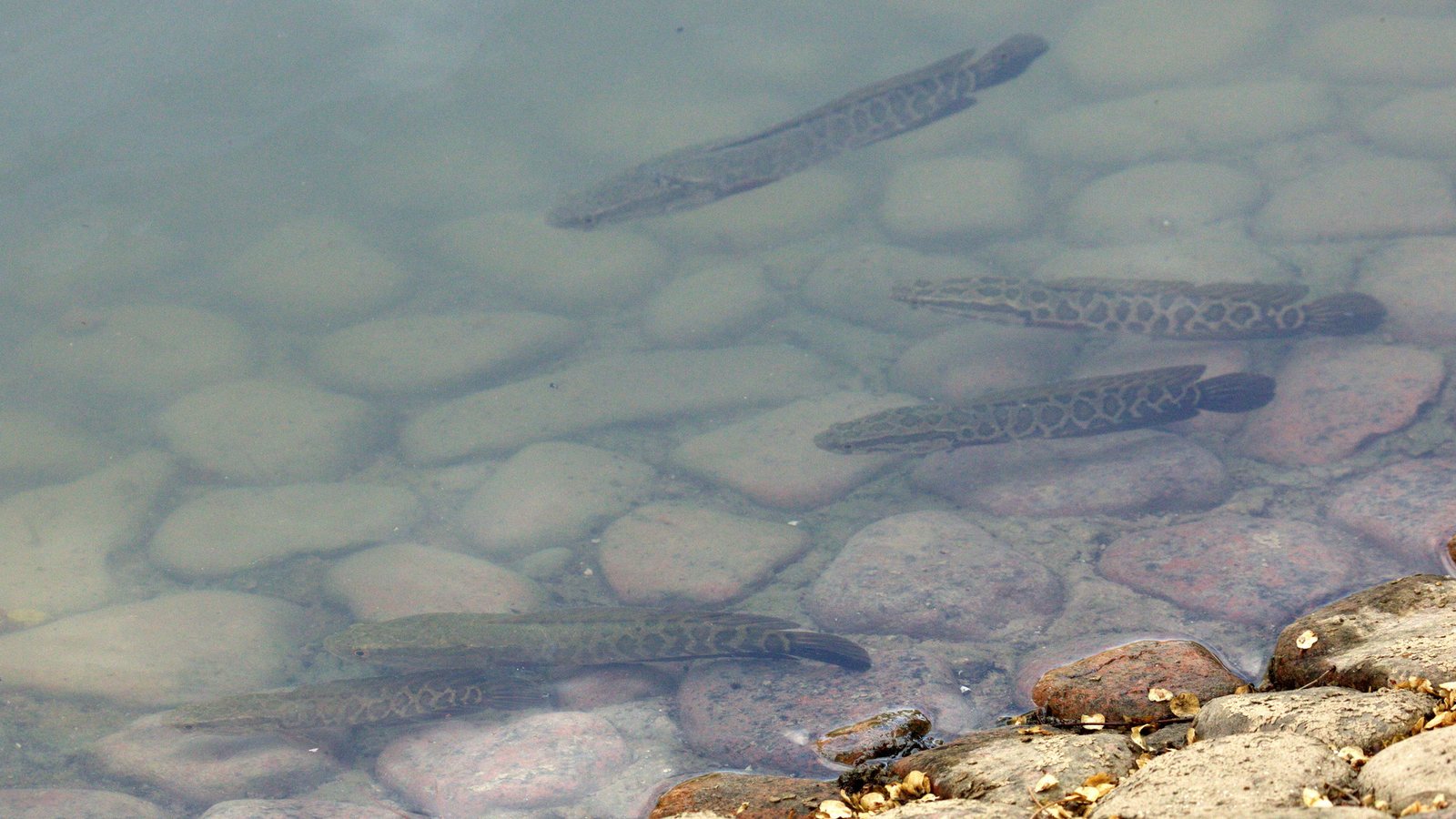
Pennsylvania wildlife officials urge anglers to kill invasive northern snakeheads rather than release them, citing the species' established presence i…
Delaware authorities are investigating an unauthorized snakehead population discovered in Beck's Pond and are requesting public information about who …
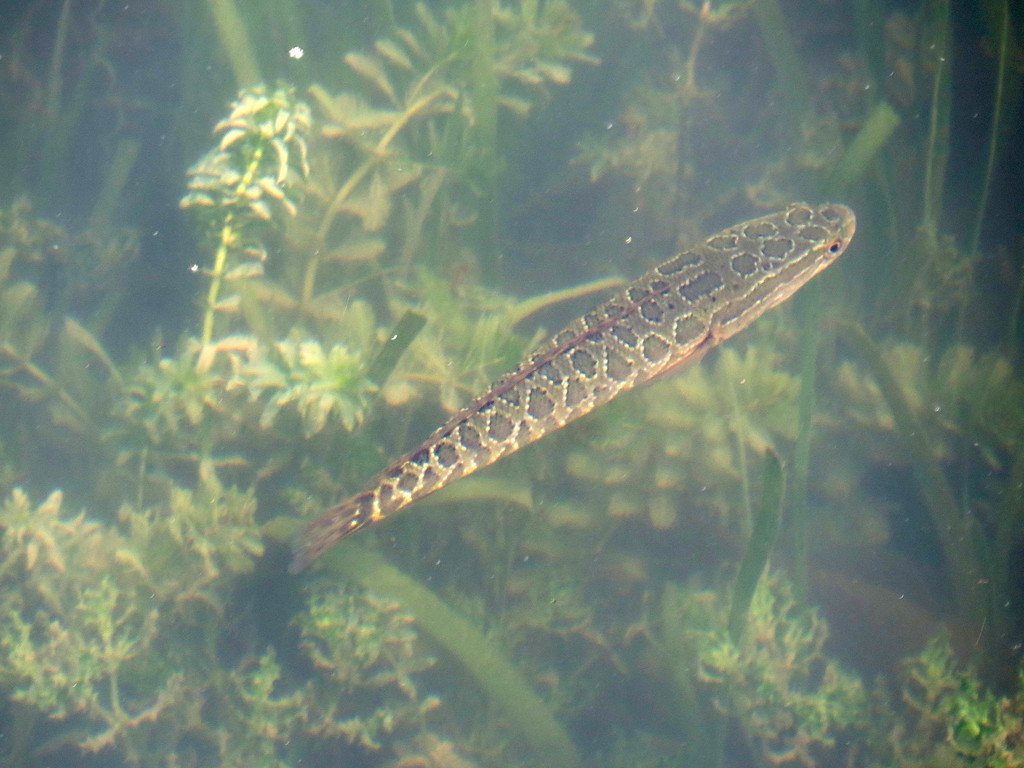
FishingBooker's all-in-one snakehead primer — how to tell a frankenfish from its native lookalikes, the East Coast hotspots (Florida, Maryland, Pennsy…
Coordinates are approximate, for finding the general area. Snakehead is an invasive species — regulations on catching, keeping, transporting and killing it vary by state and change often. Never move a live snakehead between waters. Always confirm current rules with your state wildlife agency before you fish.