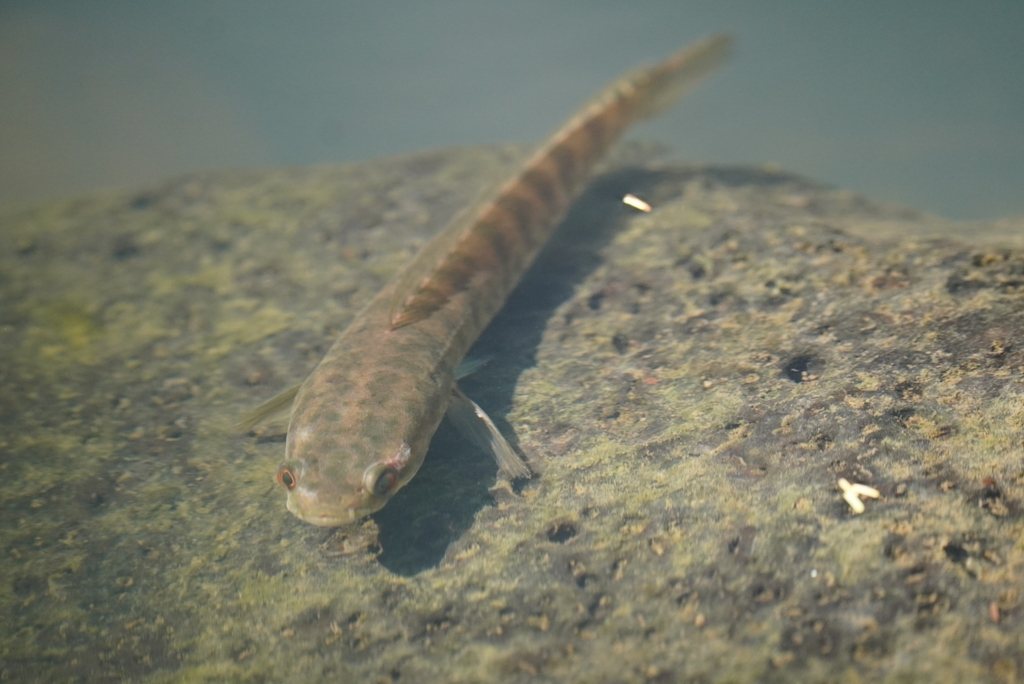
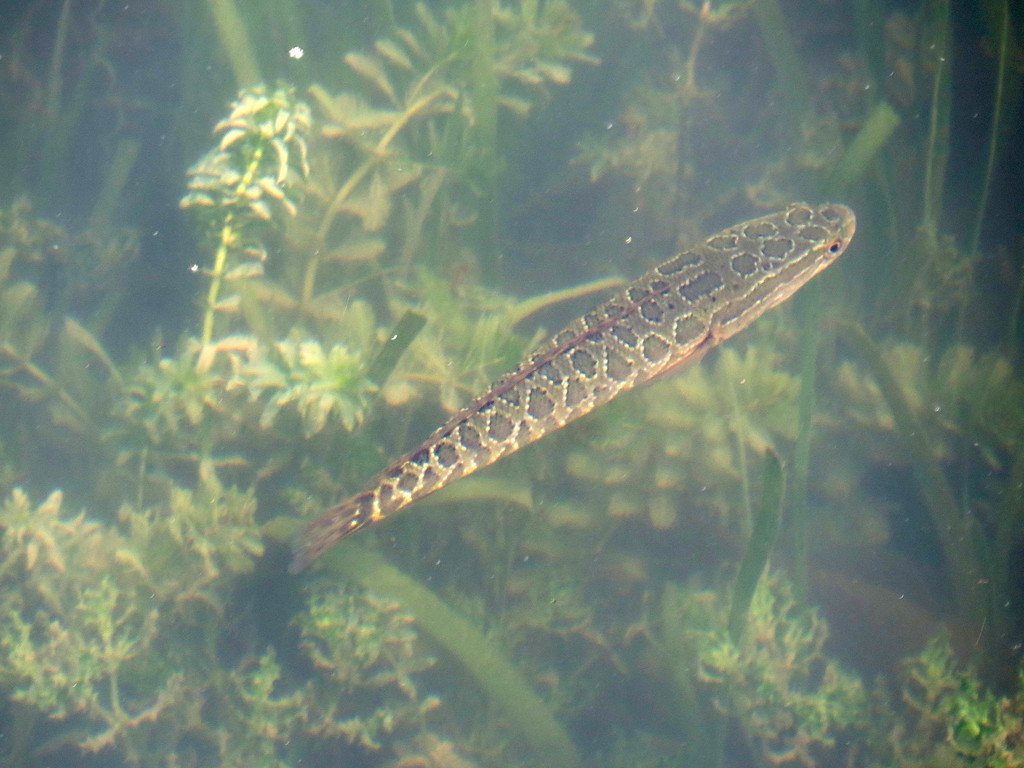
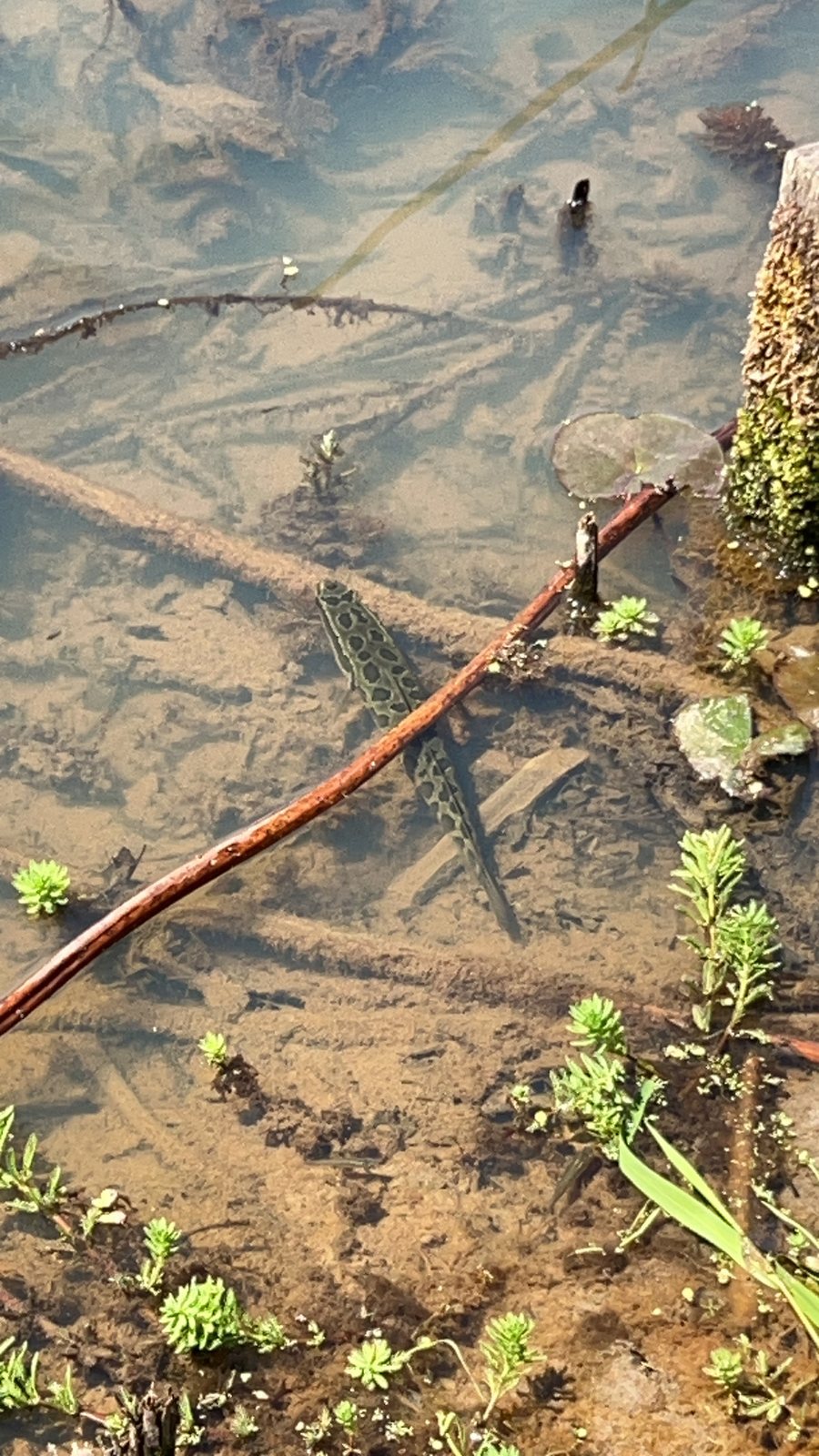
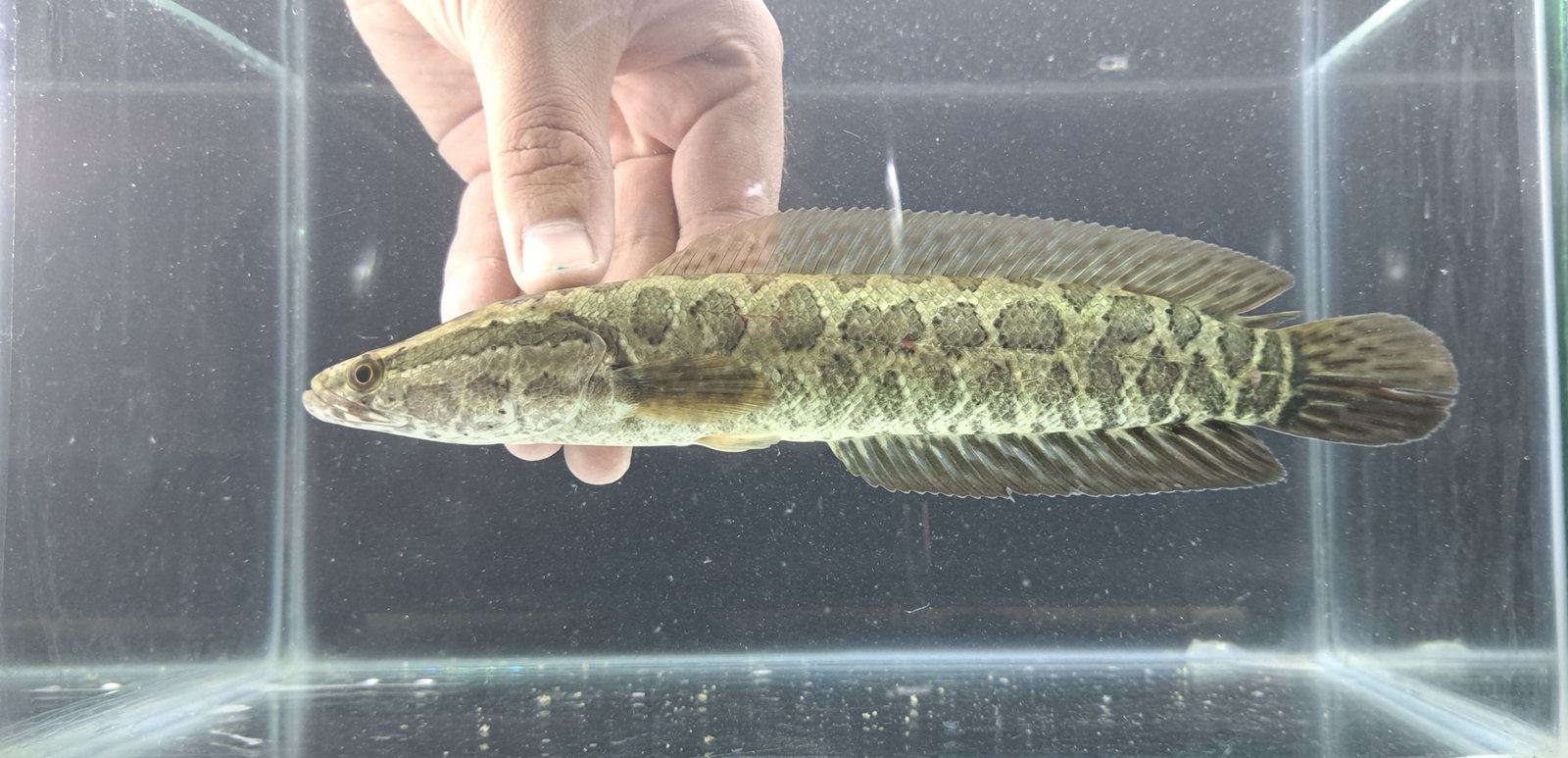
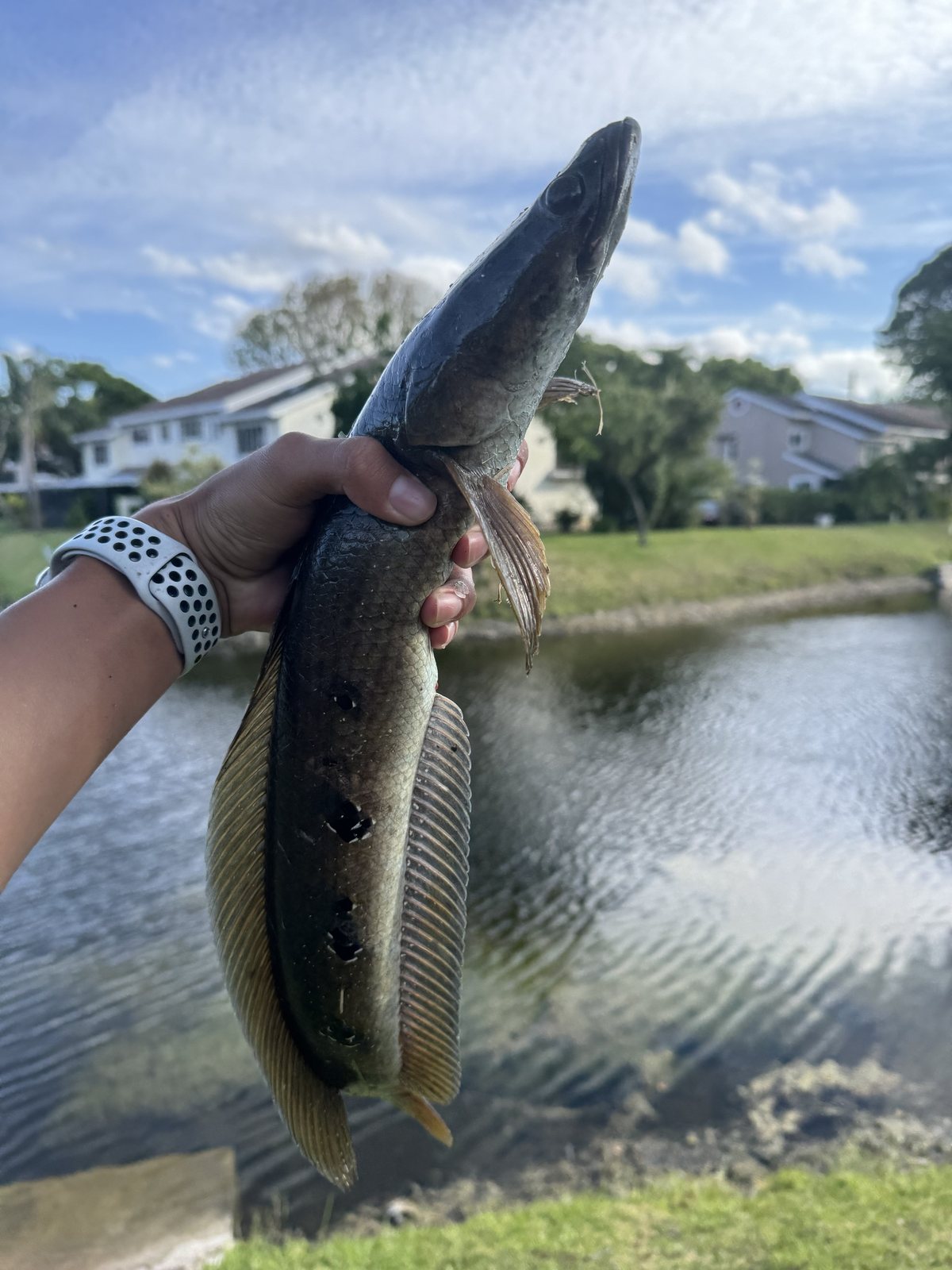
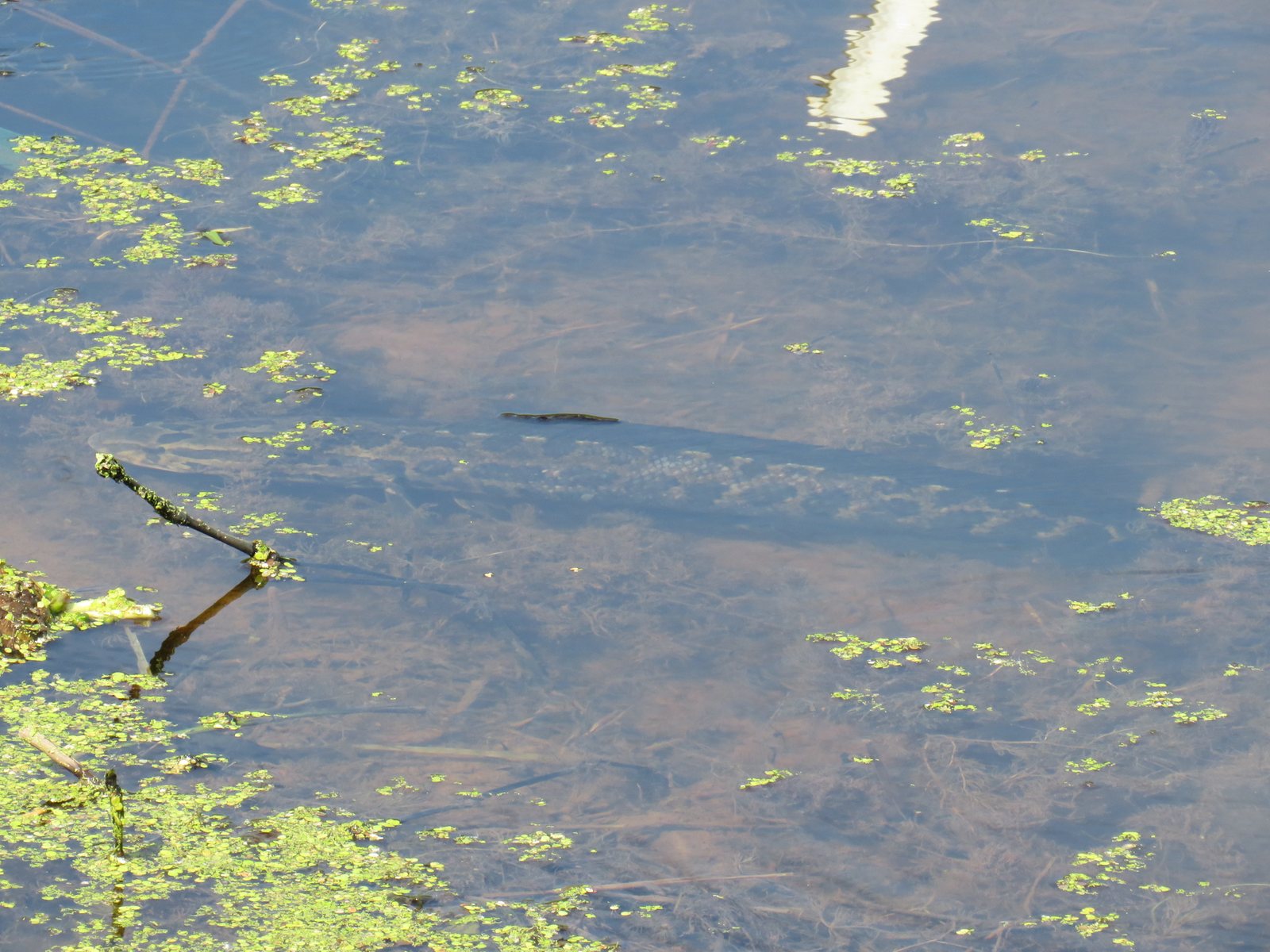
Documented bullseye snakehead water in Palm Beach County, Florida. Florida Southeast Coast drainage. 1 USGS specimen record (2024); status: reported. Location verified from the USGS Nonindigenous Aquatic Species database.
🏞 Non-tidal
Levels hold steady here — no tide to time. Fish low light early and late, work shade lines and wind-blown cover through the heat of the day.
Lake Ida 2 is classic snakehead water — non-tidal, so the fish don't set their clocks by moving water. They set them by light and cover. Look for bullseyes holding tight to pads, matted grass, and any laid-down wood along the shoreline, especially where that cover gets a push from wind. Wind-blown pockets stack baitfish and pull snakehead shallow to ambush, so don't ignore a stiff breeze pushing into a grass line — that's often the difference-maker on an otherwise slow day.
Early and late are your prime windows here. Dawn and dusk, fish will cruise the edges of vegetation and even gulp air at the surface, giving away their position. Once the sun climbs, shift to shade — overhanging brush, shadow lines off pads, anything that breaks the glare — because midday fish tuck up tight and won't move far to eat.
Access is workable either way. Bank guys have mapped parking about 0.87 mi from the water, so plan on a short walk in with topwater gear ready. If you'd rather cover more shoreline, there's a boat ramp mapped roughly 0.41 mi off — good for a kayak or small boat to slide along the pads quietly.
Gear-wise, keep it simple and stout: weedless frogs and buzzbaits walked over the mats, chatterbaits worked along grass edges, and weedless soft plastics punched into holes in the vegetation. Spool up with 40-65 lb braid — bullseyes bury up in cover the second they're hooked, and you need the backbone to horse them out before they wrap you off.
🅿️ Parking & shore access
+ 9 more parking areas are on the map above. For every lot, tap 🅿️ All parking in Maps up top.
🛶 Boat ramps & launches
Parking near the ramp
Coordinates are approximate, for finding the general area. Snakehead is an invasive species — regulations on catching, keeping, transporting and killing it vary by state and change often. Never move a live snakehead between waters. Always confirm current rules with your state wildlife agency before you fish.