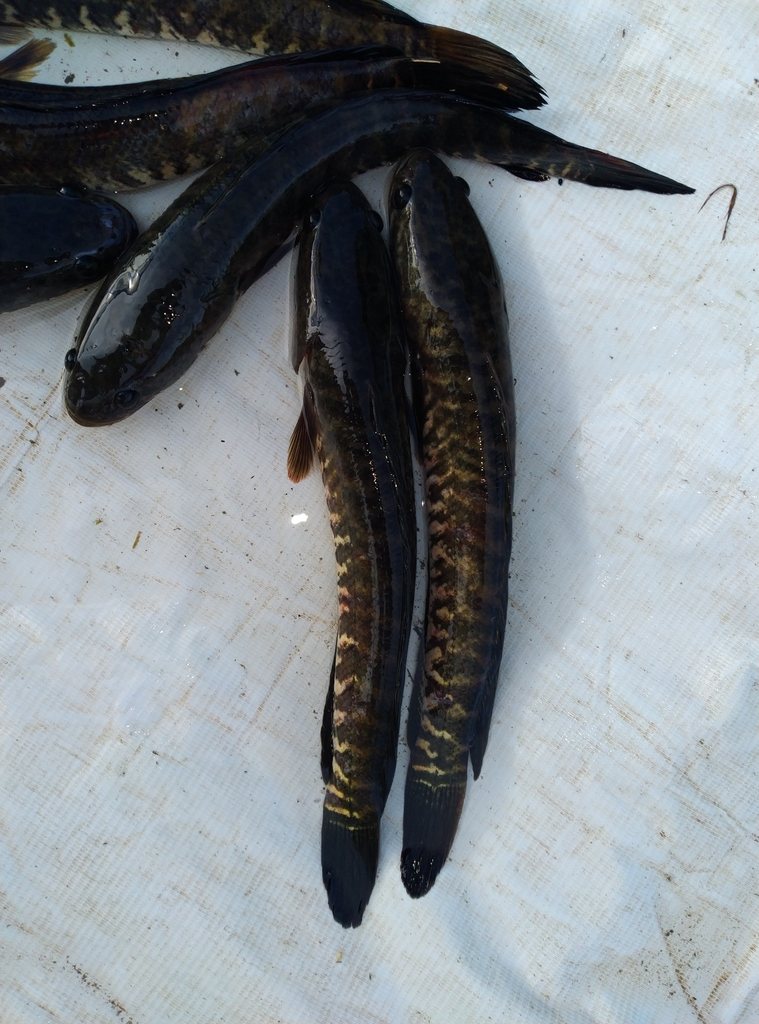
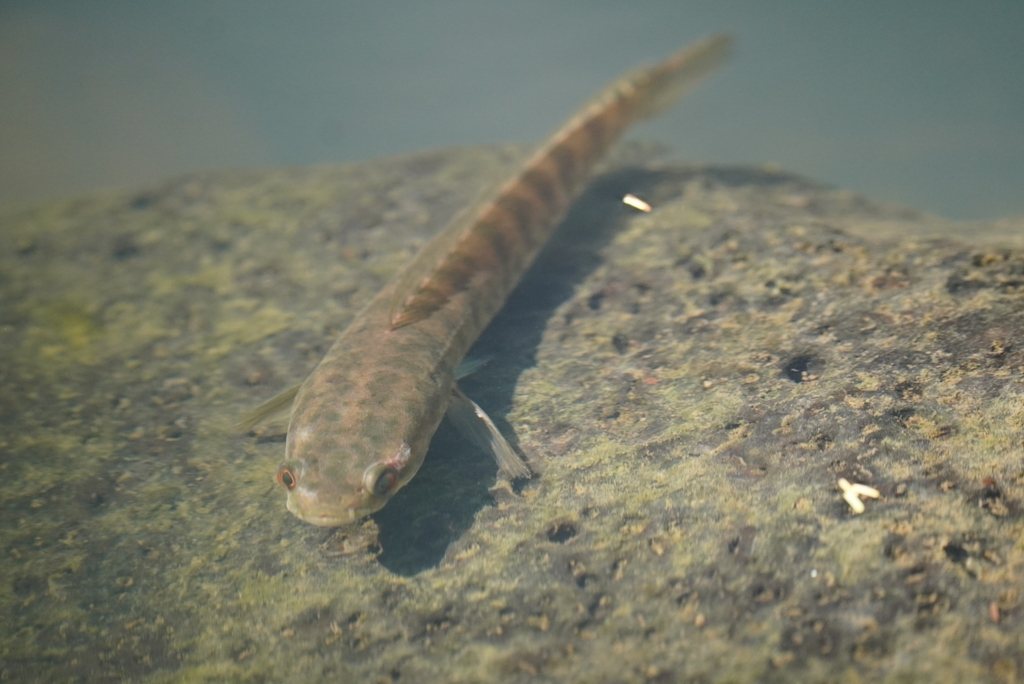
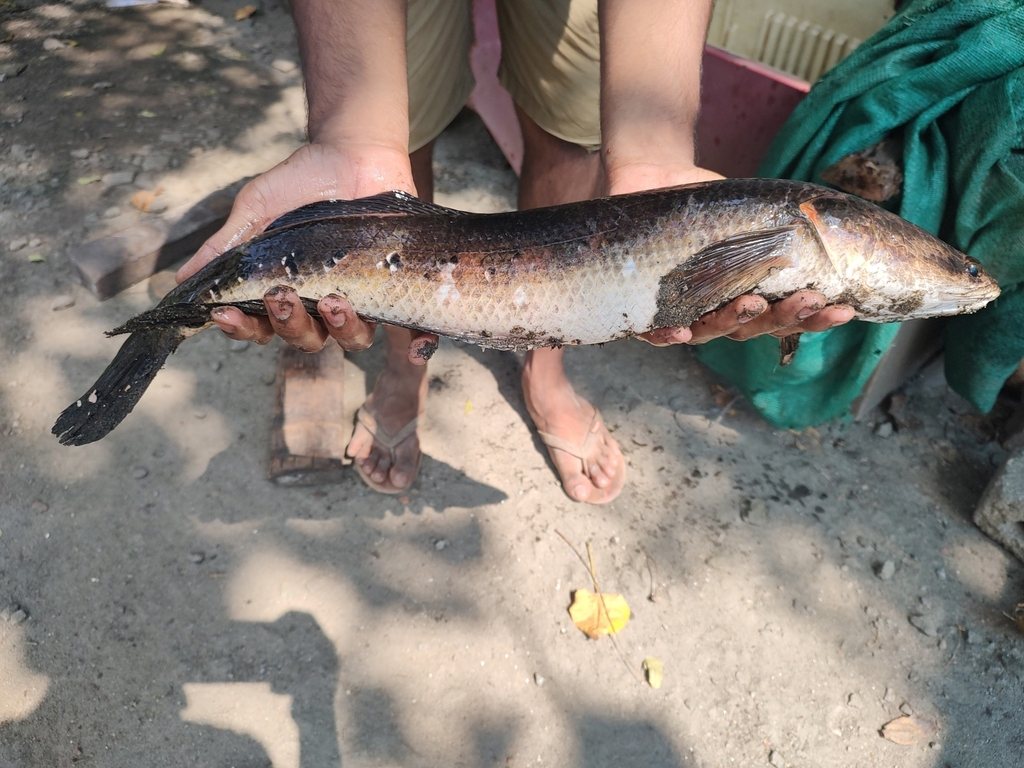
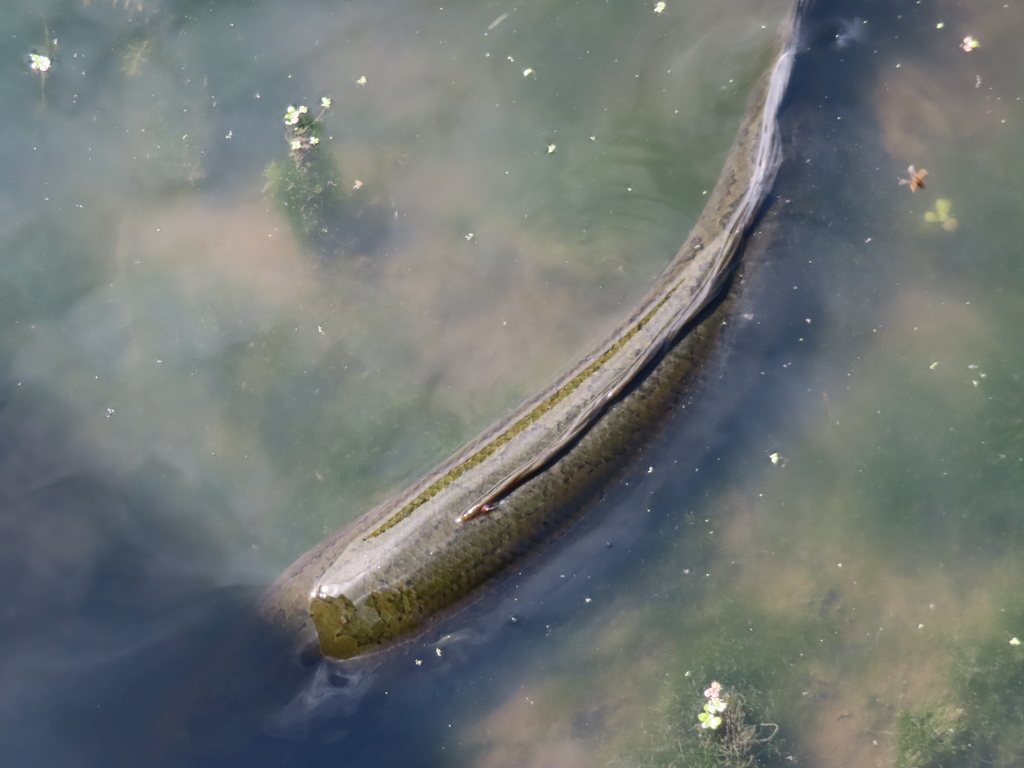
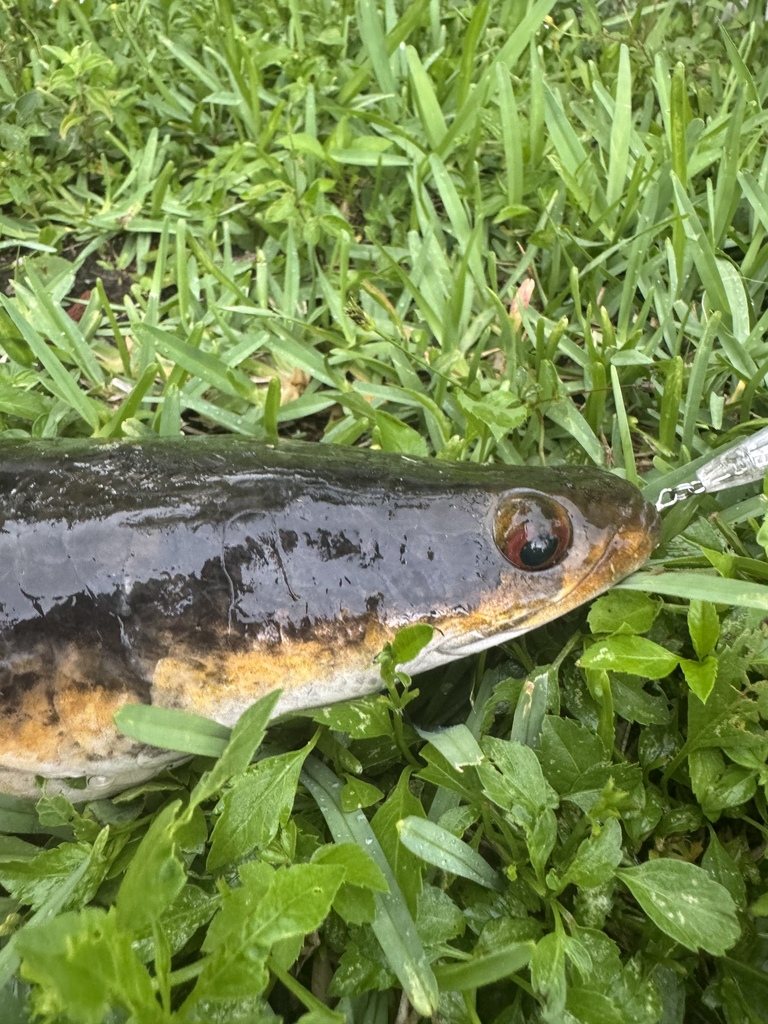
Documented northern snakehead water in Fairfax County, Virginia. Middle Potomac-Anacostia-Occoquan drainage. 42 USGS specimen records (2004–2011); status: established. Location verified from the USGS Nonindigenous Aquatic Species database.
🌊 Tidal water
NOAA Marshall Hall, Md. · 3.7 mi
Rising now — next High tide 11:56 AM (in 51m).
Low 5:37 AM · 0.5′High 11:56 AM · 2.4′Low 5:30 PM · 0.5′
🎣 Fish the tide, not the clock: snakehead pin bait to the grass on the flood, then feed hard as the falling (ebb) tide drains it out of the cover — the last couple hours of the outgoing into low slack is prime.
This stretch of the Potomac fishes like every good tidal snakehead water on the East Coast: find the ugly stuff and you find the fish. Northern snakehead here relate hard to cover — grass mats, lily pads, downed timber, and any shoreline wood that gives them shade and ambush points. Slack, shallow backwaters warm fast and pull fish up onto the flats to sun and hunt, while the mouths of feeder creeks and any current seam off the main river tend to hold fish when things are more active. Don't overlook thin water tight against the bank; snakehead will push right up into a foot or two of water when the conditions are right.
Because this is tidal water, the clock matters as much as the spot. High tide floods the grass and pads, scattering snakehead out into cover where they're harder to draw out. As the tide starts to fall, that same water drains off the flats and funnels fish toward channel edges, creek mouths, and the outside edges of grasslines — that ebb movement is when the bite really turns on, since snakehead key on baitfish getting pushed out with the current. Reference the Marshall Hall, Md. tide station to plan your window; fishing the last of the high through the first few hours of the outgoing is the play.
Access is workable but modest — there's mapped parking nearby, closest around 0.65 mi from the water, so plan on a short walk with your gear if you're on foot. For boat or kayak anglers, a boat ramp is mapped roughly 1.42 mi away, which opens up a lot more cover-heavy water than you can reach from the bank, especially the skinny backwaters where snakehead like to sit.
Tactics here are straightforward and aggressive. Work weedless topwater frogs and buzzbaits right over the top of pads and grass — the blowups are violent and that's half the fun. Chatterbaits worked along cover edges and through thinner grass will draw reaction strikes when top water gets ignored. Keep weedless soft plastics rigged and ready for punching through mats
🅿️ Parking & shore access
+ 9 more parking areas are on the map above. For every lot, tap 🅿️ All parking in Maps up top.
🛶 Boat ramps & launches
Parking near the ramp
Coordinates are approximate, for finding the general area. Snakehead is an invasive species — regulations on catching, keeping, transporting and killing it vary by state and change often. Never move a live snakehead between waters. Always confirm current rules with your state wildlife agency before you fish.