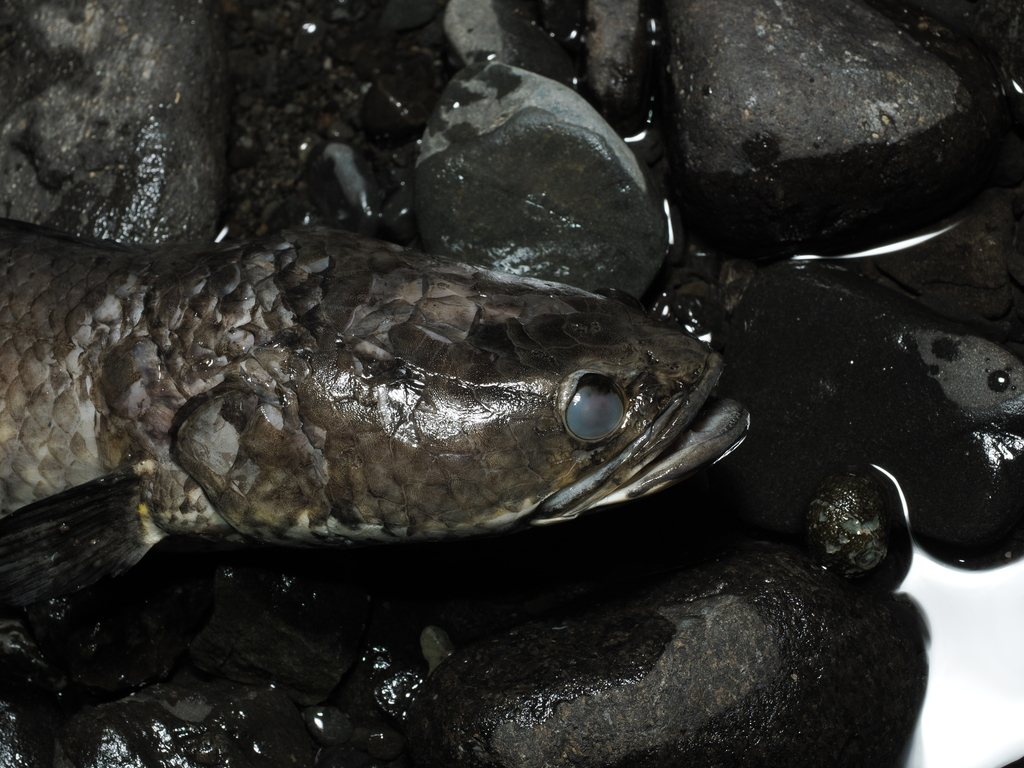
Documented northern snakehead water in Prince Georges County, Maryland. Middle Potomac-Anacostia-Occoquan drainage. 1 USGS specimen record (2018); status: established. Location verified from the USGS Nonindigenous Aquatic Species database.
🏞 Non-tidal
Levels hold steady here — no tide to time. Fish low light early and late, work shade lines and wind-blown cover through the heat of the day.
Indian Creek is a quiet, non-tidal creek, which actually works in your favor—there's no tide to plan around, just steady water you can fish on your own schedule. Snakehead here relate hard to cover: pads, matted grass, laydowns, and any wood along the bank. They'll sit tight in that structure ambushing baitfish and won't move far to feed, so your job is putting a bait right in their face rather than covering open water.
Early and late in the day, with low light, fish push shallow along the grassy edges and into wind-blown pockets where bait gets pushed in. Through the heat of midday, look for shade lines under overhanging brush or thicker mats—snakehead will tuck into that shade rather than sit exposed. Since there's no tidal movement to key on, these light and temperature windows are really your main timing tool on this creek.
Access is mostly a shore game—mapped parking sits about a quarter mile from the water, close enough for a rod-in-hand walk-in approach. There's no boat ramp within a few miles, so if you want to get on the water itself, plan on a kayak carry rather than trailering anything in.
Tactics stay simple and stout: weedless topwater frogs and buzzbaits worked right over the pads and grass, chatterbaits for a little more vibration in dirtier water, and weedless soft plastics punched into thicker cover. Spool up with 40-65 lb braid—you need the muscle to horse fish out of that mess once they eat.
🅿️ Parking & shore access
+ 9 more parking areas are on the map above. For every lot, tap 🅿️ All parking in Maps up top.
🛶 Boat ramps & launches
No boat ramp mapped within ~1.5 mi — this is likely a bank or kayak-carry spot. A car-topper or kayak launched from shore access is often the play; check the parking options under “Shore.”
Coordinates are approximate, for finding the general area. Snakehead is an invasive species — regulations on catching, keeping, transporting and killing it vary by state and change often. Never move a live snakehead between waters. Always confirm current rules with your state wildlife agency before you fish.