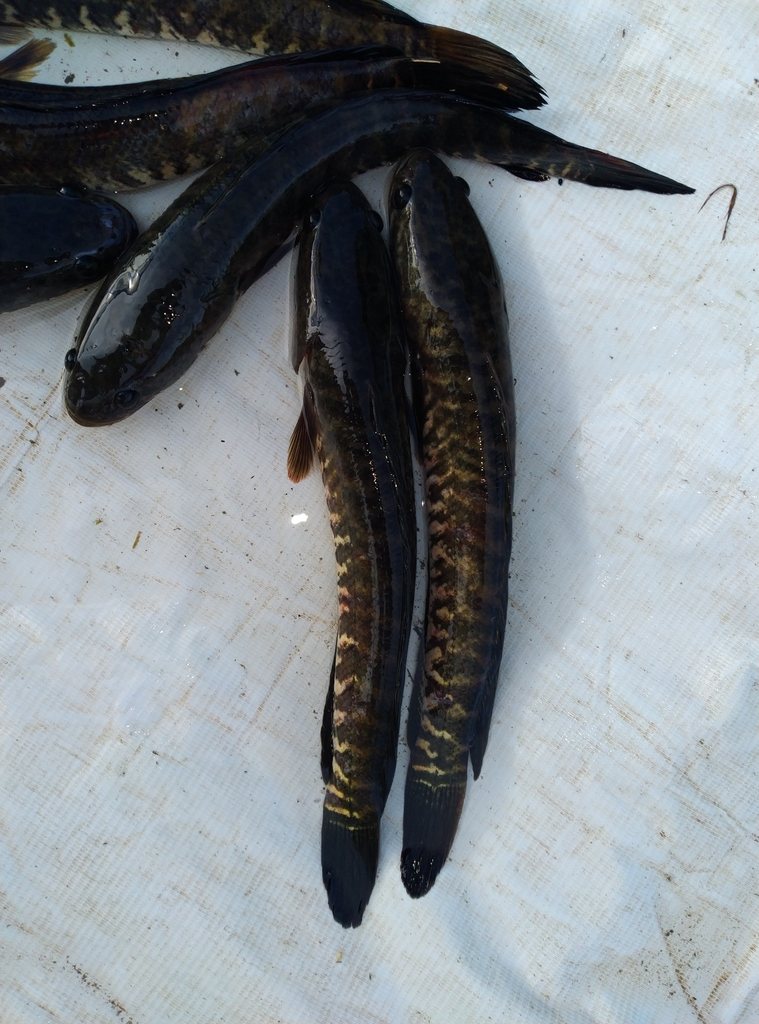
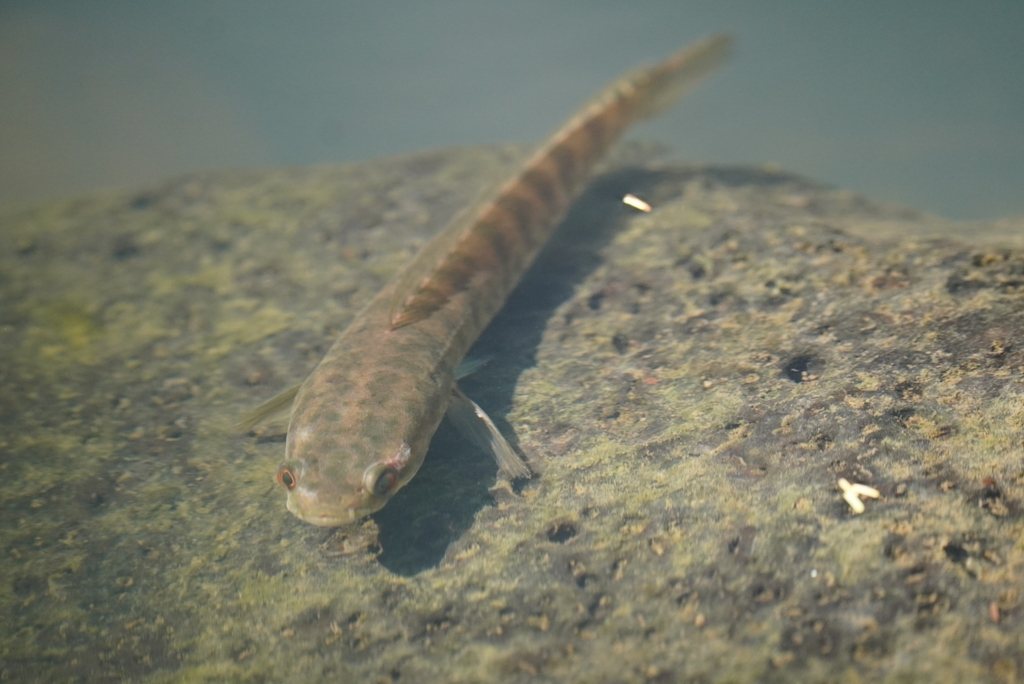
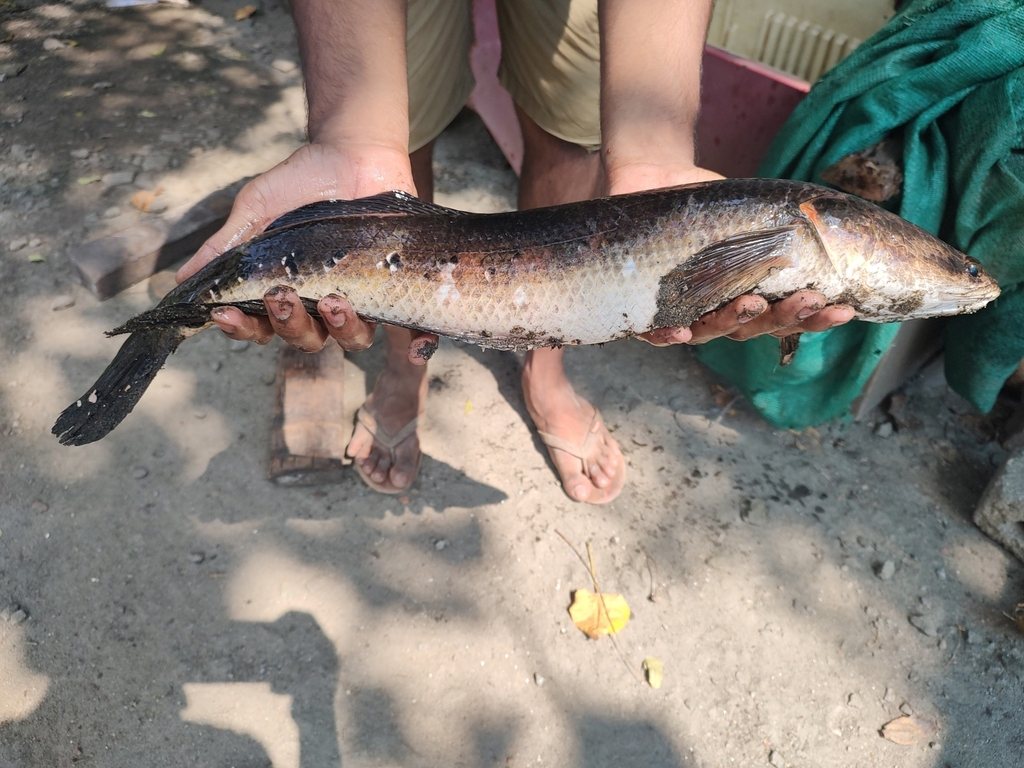
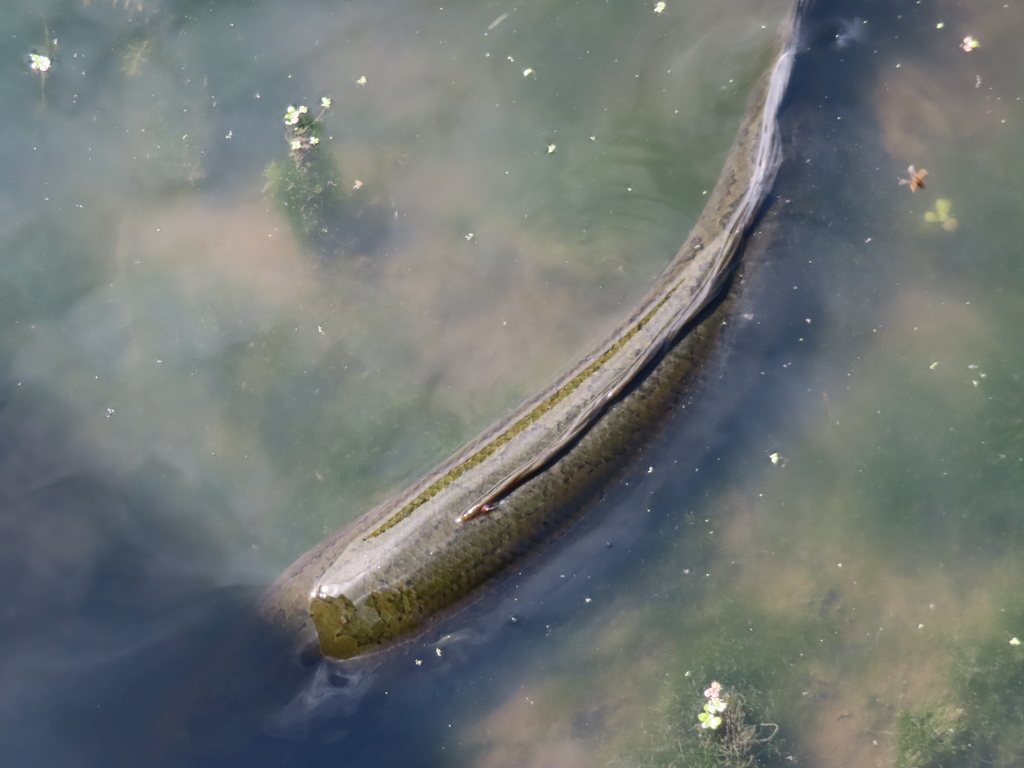
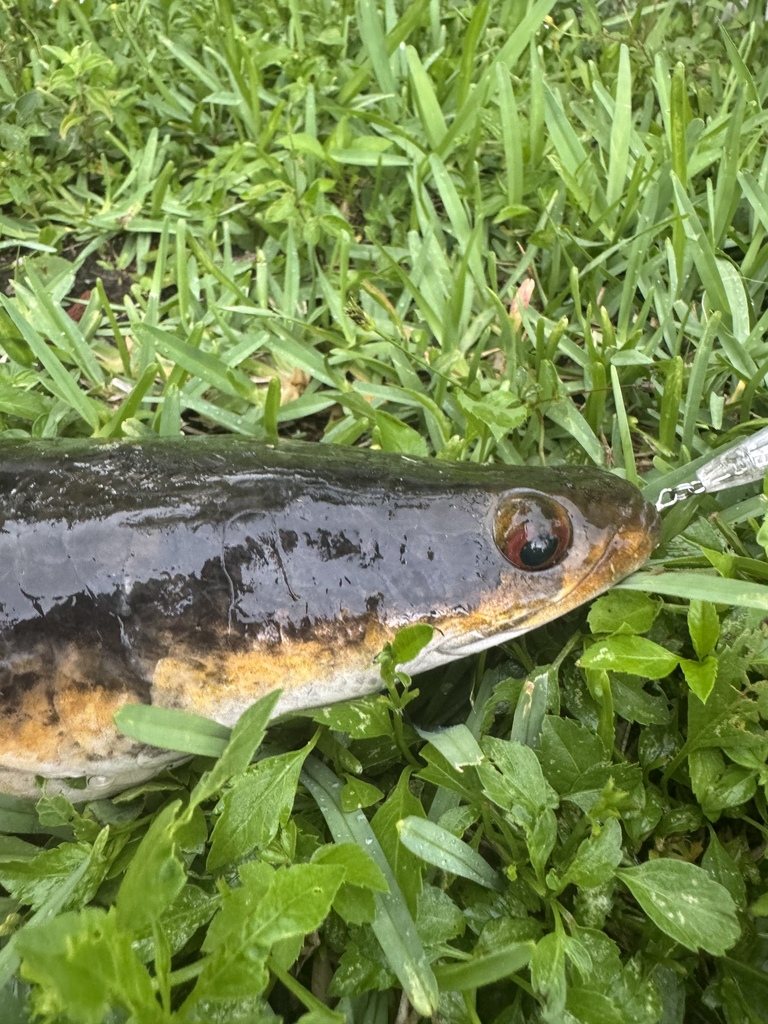
Documented northern snakehead water in District of Columbia County, District of Columbia. Middle Potomac-Anacostia-Occoquan drainage. 434 USGS specimen records (2007–2013); status: established. Location verified from the USGS Nonindigenous Aquatic Species database.
🏞 Non-tidal
Levels hold steady here — no tide to time. Fish low light early and late, work shade lines and wind-blown cover through the heat of the day.
This stretch of the Potomac in DC runs non-tidal, so you can leave the tide charts at home and just focus on light and structure. Snakehead here sit tight to whatever cover breaks the current and hides them from baitfish above—matted grass, scattered pads, flooded brush, and sunken wood along the banks. They're ambush predators, so work the edges of that cover slowly rather than blind-casting open water. Early morning and last light are prime windows, when fish push shallow to feed. Through the heat of the day, shift to shaded pockets under overhanging trees or deeper wood, and don't ignore a stiff wind pushing into a grassy bank—it stacks bait and turns fish on.
Access here leans bank and kayak. There's no boat ramp mapped within about 3 miles, so this reads as a carry-in or shore spot rather than a trailer-launch stretch. Parking is available nearby, closest about 0.21 mi from the water, making it an easy walk-in with rods and a soft-plastic bag rather than a full tackle hike.
For gear, rig weedless topwater frogs and buzzbaits to skip over the thick stuff, and follow up with a chatterbait or weedless soft plastic worked through the same lanes. Spool up with 40-65 lb braid—you'll need the backbone to horse fish out of cover once they eat.
🅿️ Parking & shore access
+ 9 more parking areas are on the map above. For every lot, tap 🅿️ All parking in Maps up top.
🛶 Boat ramps & launches
No boat ramp mapped within ~1.5 mi — this is likely a bank or kayak-carry spot. A car-topper or kayak launched from shore access is often the play; check the parking options under “Shore.”
Coordinates are approximate, for finding the general area. Snakehead is an invasive species — regulations on catching, keeping, transporting and killing it vary by state and change often. Never move a live snakehead between waters. Always confirm current rules with your state wildlife agency before you fish.