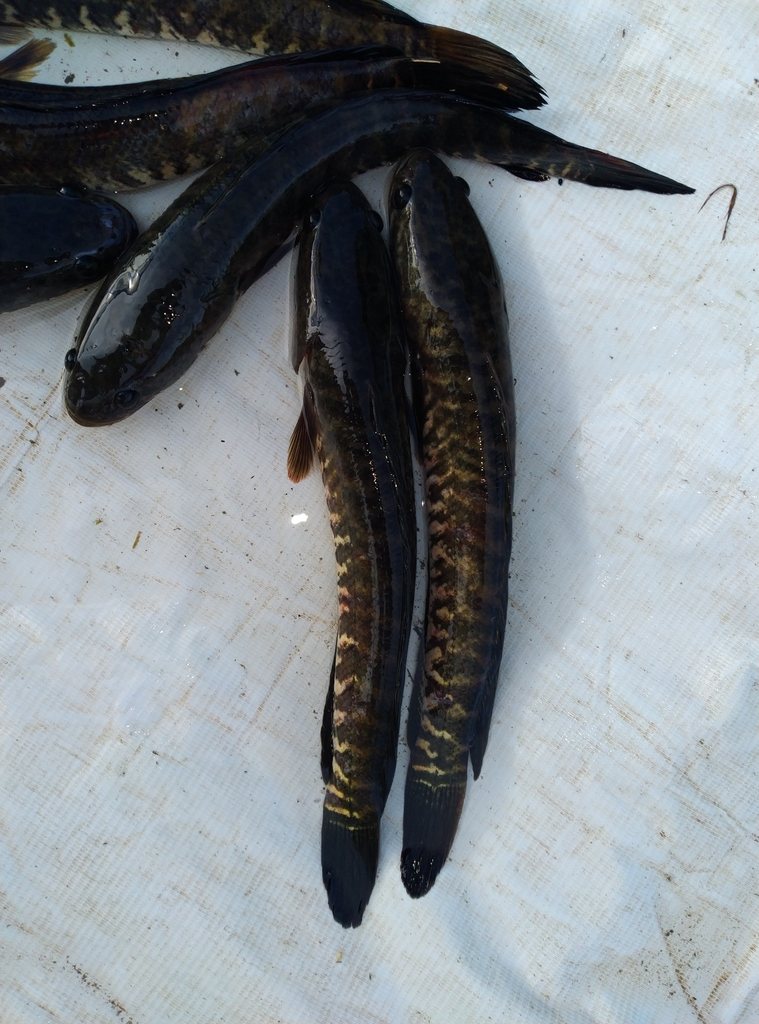
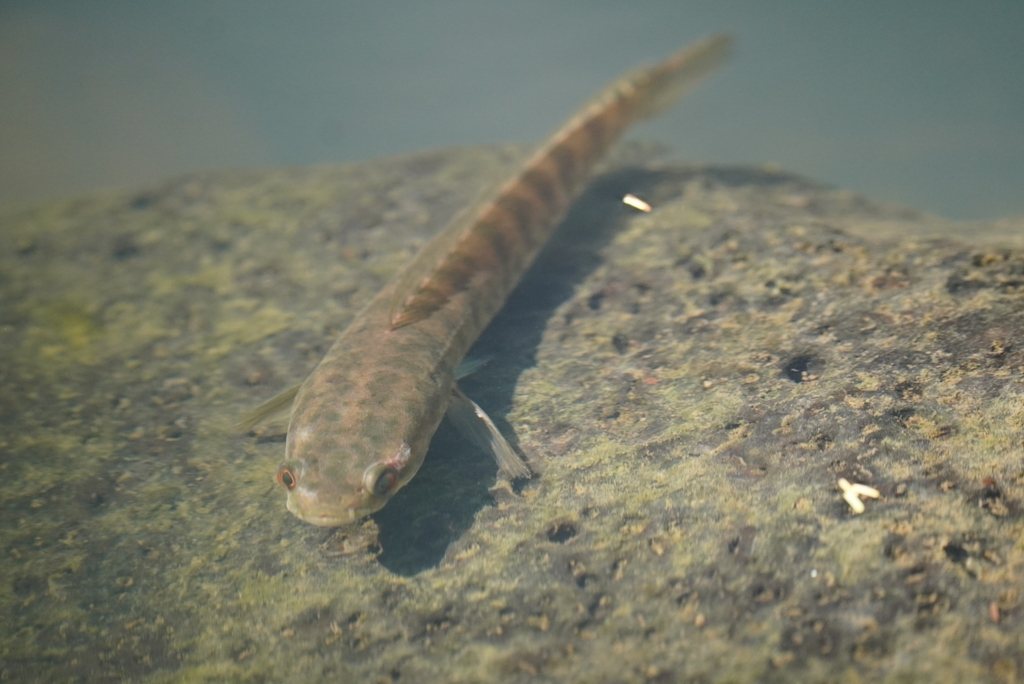
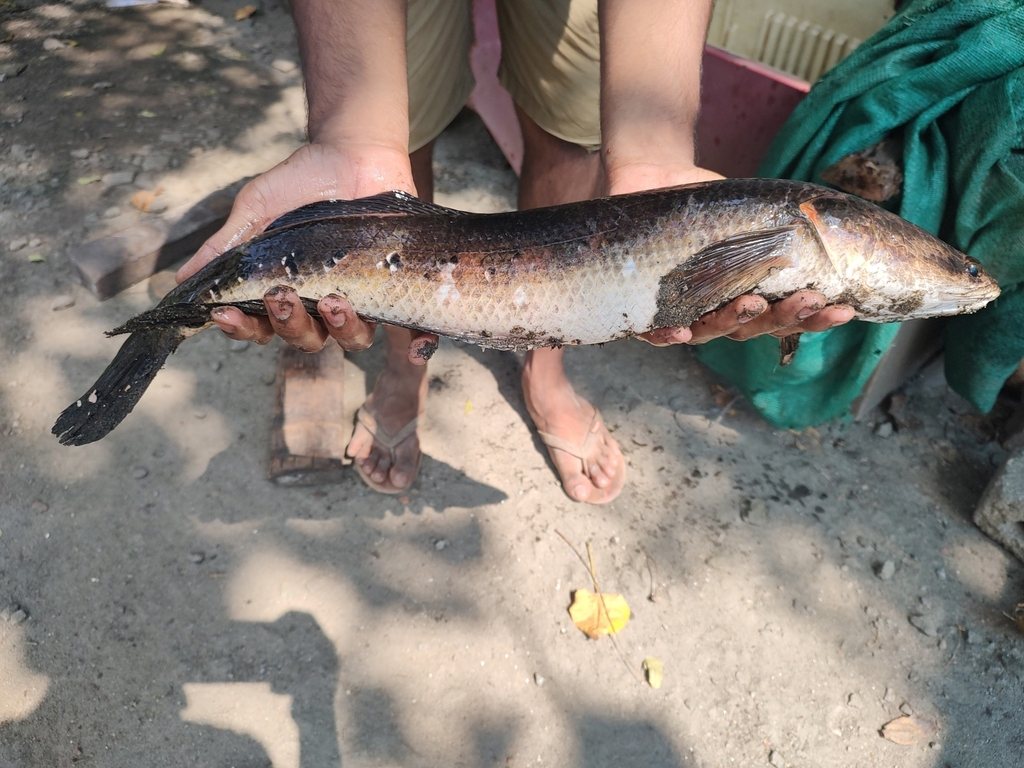
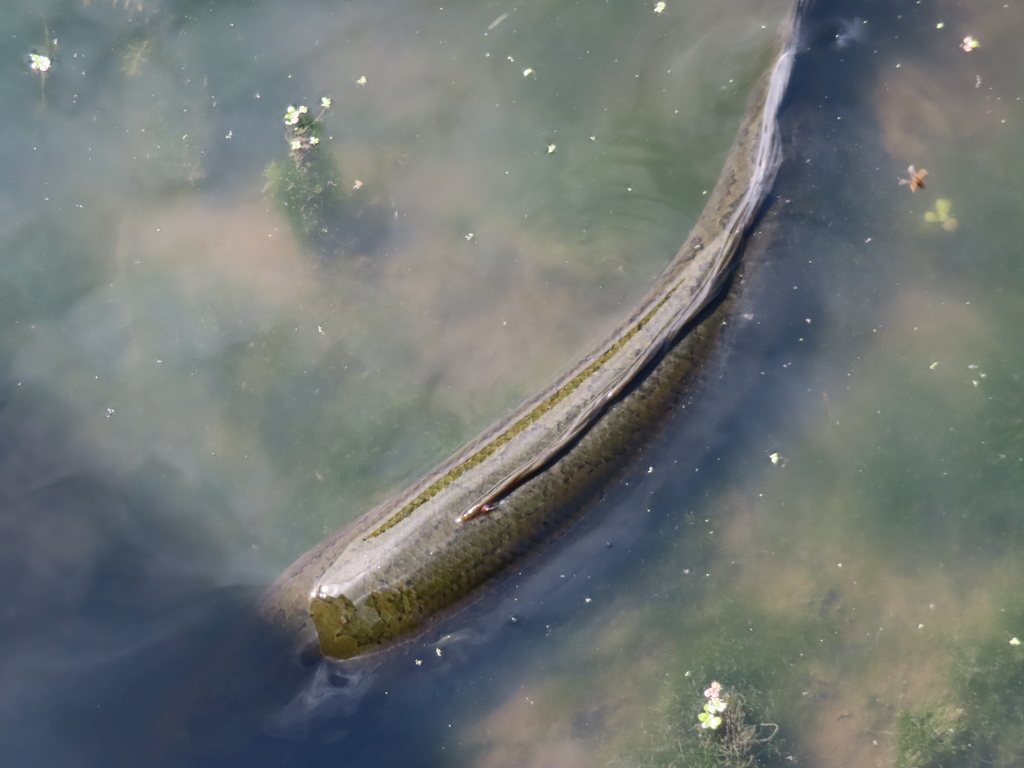
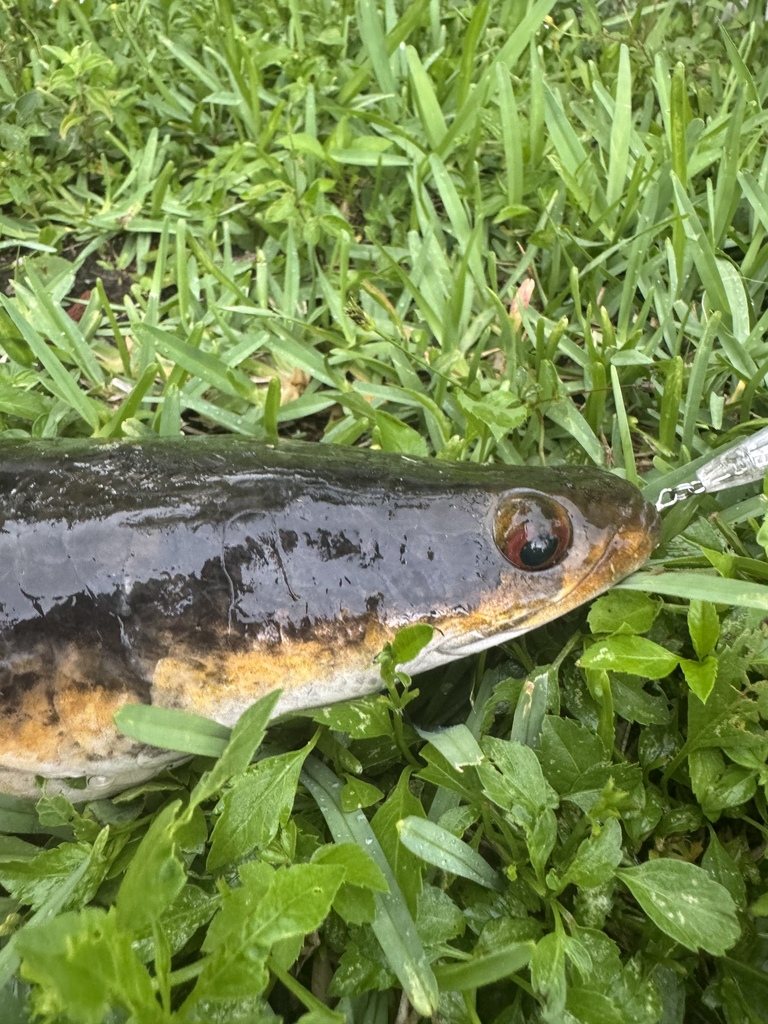
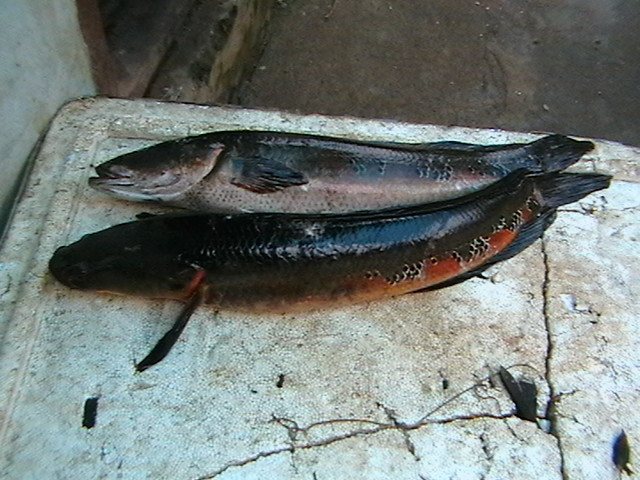
The birthplace of U.S. snakehead fishing — grass flats, backwaters and creek mouths from DC downriver hold huge numbers.
🌊 Tidal water
NOAA Alexandria, Va. · 1.8 mi
Rising now — next High tide 12:04 PM (in 58m).
Low 6:21 AM · 0.8′High 12:04 PM · 2.9′Low 6:14 PM · 0.8′
🎣 Fish the tide, not the clock: snakehead pin bait to the grass on the flood, then feed hard as the falling (ebb) tide drains it out of the cover — the last couple hours of the outgoing into low slack is prime.
The Tidal Potomac here is classic snakehead water — a slow, brackish-tinged river with grass beds, lily pads, and downed wood tucked along the shoreline breaks. Snakehead tuck into that cover to ambush, especially where shade and structure meet slightly deeper water. Because this stretch is tidal, with the nearest NOAA station at Alexandria, Va. reading the swings, the fish push shallow onto the flooded grass and pad edges as the tide floods, then slide back toward channel edges and wood as it drains. That falling, ebb stage is prime time — baitfish and frogs get flushed out of the skinny cover, and snakehead key in hard on that movement, often blowing up in skinny water right at the transition.
Shore access is workable, with mapped parking closest at roughly 0.47 mi from the water, so plan on a short walk with your gear. If you want to cover more of the grass lines and backwater pockets, a boat or kayak opens up a lot more water — the nearest mapped boat ramp sits about 0.69 mi out.
Tactics stay simple: walk topwater weedless frogs and buzzbaits right over the pads and grass, especially on that falling tide, and follow up with a chatterbait or weedless soft plastic worked along wood and grass edges. Spool up with 40-65 lb braid — you'll need the muscle to horse fish out of cover once they eat.
🅿️ Parking & shore access
+ 9 more parking areas are on the map above. For every lot, tap 🅿️ All parking in Maps up top.
🛶 Boat ramps & launches
Parking near the ramp
Coordinates are approximate, for finding the general area. Snakehead is an invasive species — regulations on catching, keeping, transporting and killing it vary by state and change often. Never move a live snakehead between waters. Always confirm current rules with your state wildlife agency before you fish.