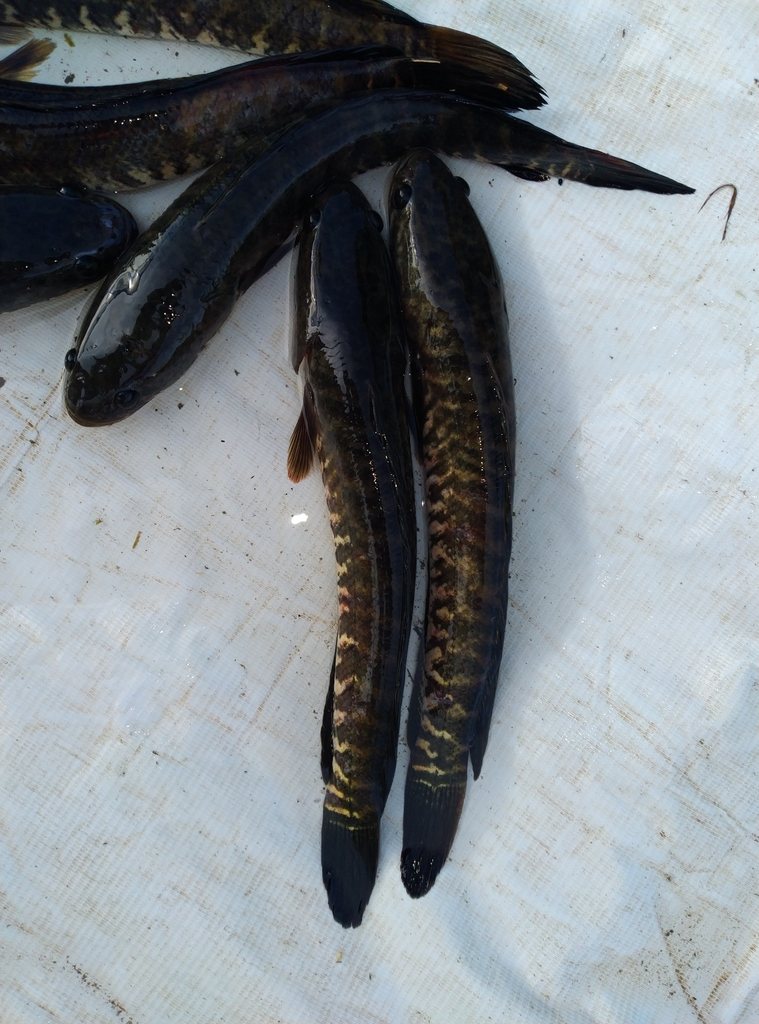
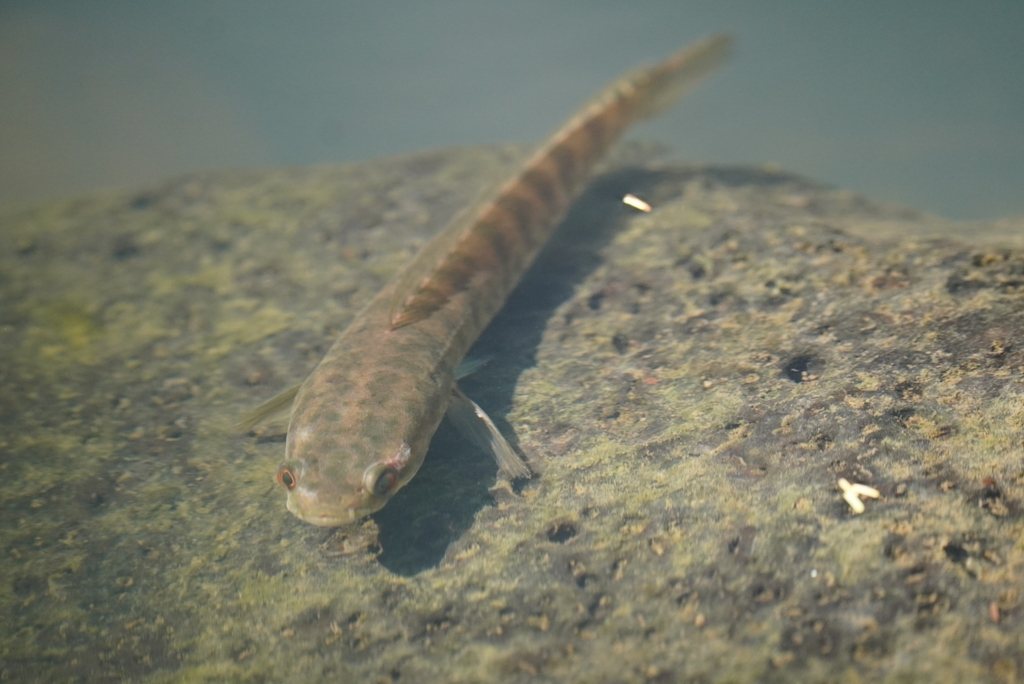
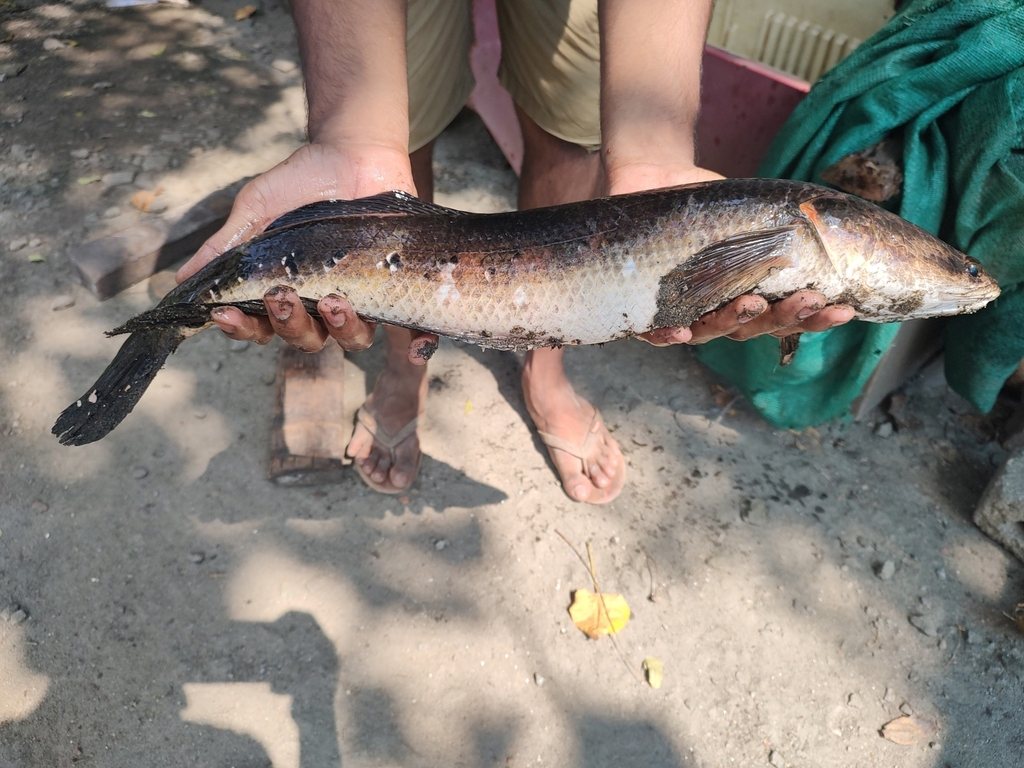
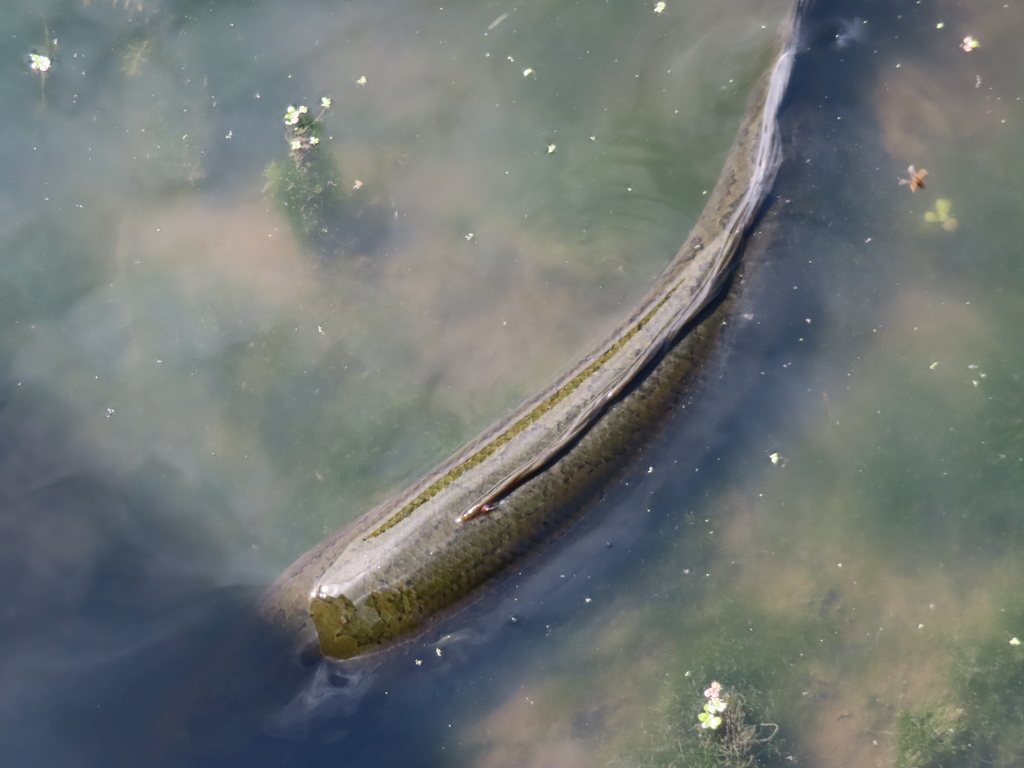
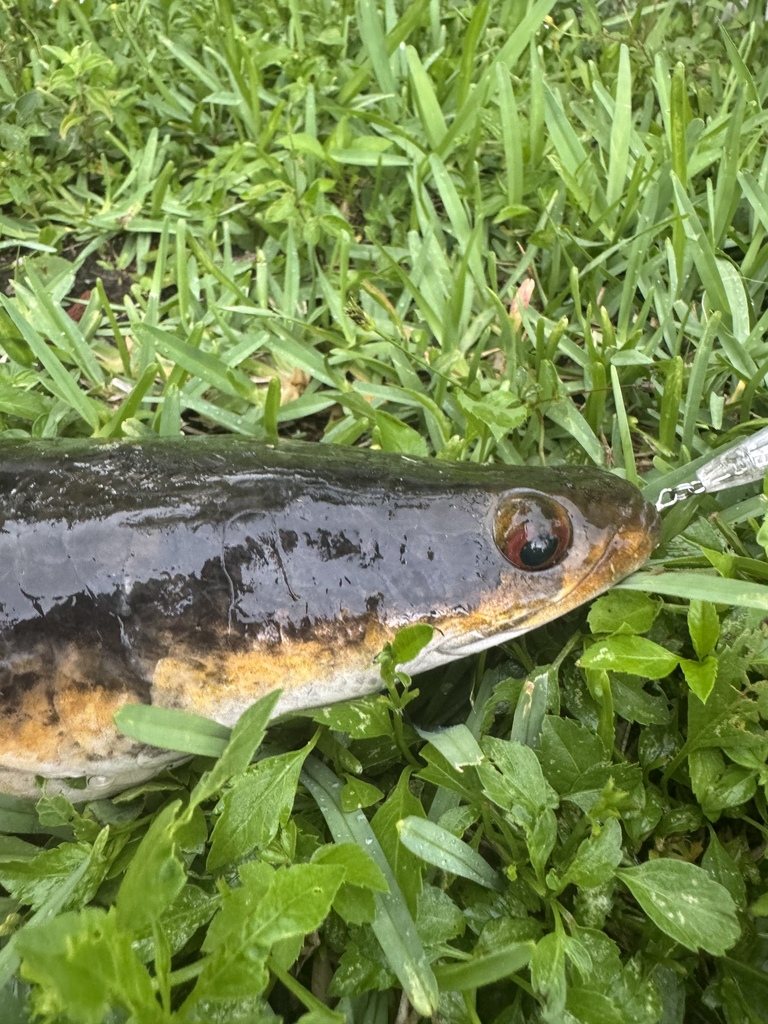
Documented northern snakehead water in Charles County, Maryland. Middle Potomac-Anacostia-Occoquan drainage. 105 USGS specimen records (2004–2023); status: established. Location verified from the USGS Nonindigenous Aquatic Species database.
🌊 Tidal water
NOAA Marshall Hall, Md. · 3.6 mi
Rising now — next High tide 11:56 AM (in 48m).
Low 5:37 AM · 0.5′High 11:56 AM · 2.4′Low 5:30 PM · 0.5′
🎣 Fish the tide, not the clock: snakehead pin bait to the grass on the flood, then feed hard as the falling (ebb) tide drains it out of the cover — the last couple hours of the outgoing into low slack is prime.
Snakehead fishing on the tidal Potomac is all about reading the vegetation. These fish push into flooded grass, lily pads, and downed wood to ambush prey, and they'll sit motionless in that cover until something moves overhead. Because this stretch is tidal, with the nearest NOAA station at Marshall Hall about 3.6 miles off, the water level swings enough to completely change where fish stack up. High tide floods the grass and pads, scattering snakehead into cover that's tough to fish. As the tide starts to ebb, though, baitfish and frogs get pulled out of that skinny water, and snakehead follow them to the edges — points, drop-offs, and current seams where the grassline meets deeper water. That falling tide is prime time; the bite tightens up and fish get aggressive.
Bank access here is workable but not right on top of the water — the closest mapped parking sits around 1.66 miles out, so plan for a walk-in approach. If you're running a boat or kayak, there's a ramp mapped roughly 2.06 miles away, which opens up a lot more of the grass beds and backwater pockets that shore anglers can't reach.
Once you're in position, go weedless. Topwater frogs and buzzbaits worked slow and twitchy over matted grass draw explosive strikes, and chatterbaits or weedless soft plastics fished along the drop-offs during the ebb close the deal. Spool up with 40-65 lb braid — these fish bury into cover the instant they're hooked, and you need the muscle to horse them out clean.
🅿️ Parking & shore access
+ 5 more parking areas are on the map above. For every lot, tap 🅿️ All parking in Maps up top.
🛶 Boat ramps & launches
Parking near the ramp
Coordinates are approximate, for finding the general area. Snakehead is an invasive species — regulations on catching, keeping, transporting and killing it vary by state and change often. Never move a live snakehead between waters. Always confirm current rules with your state wildlife agency before you fish.