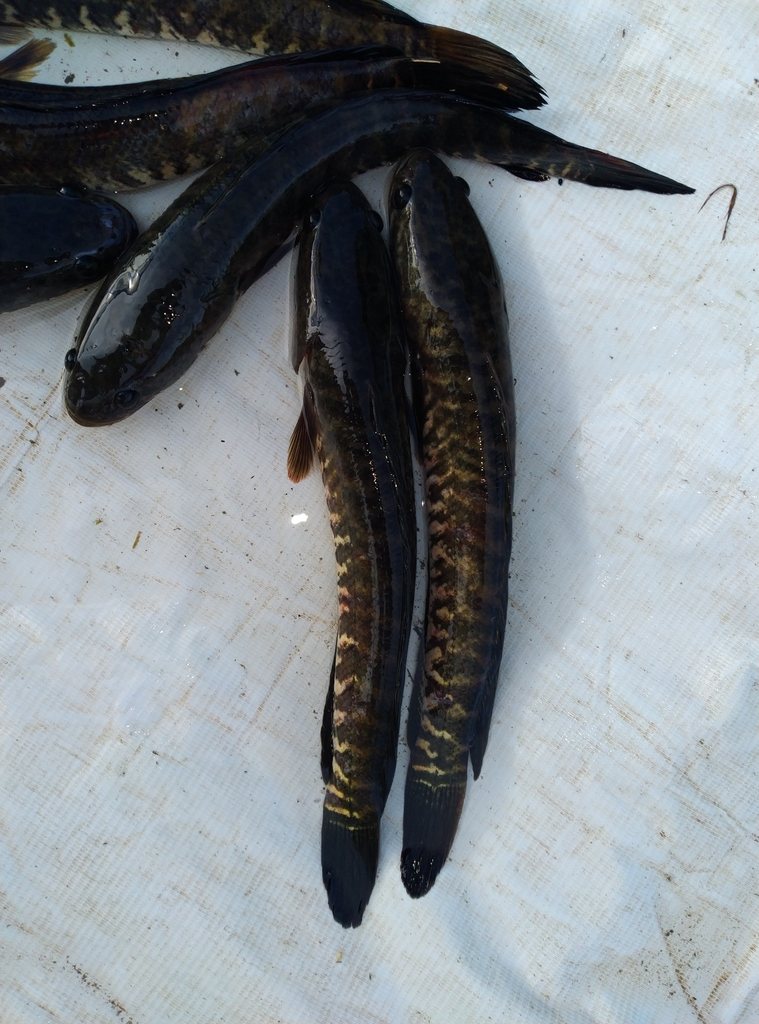
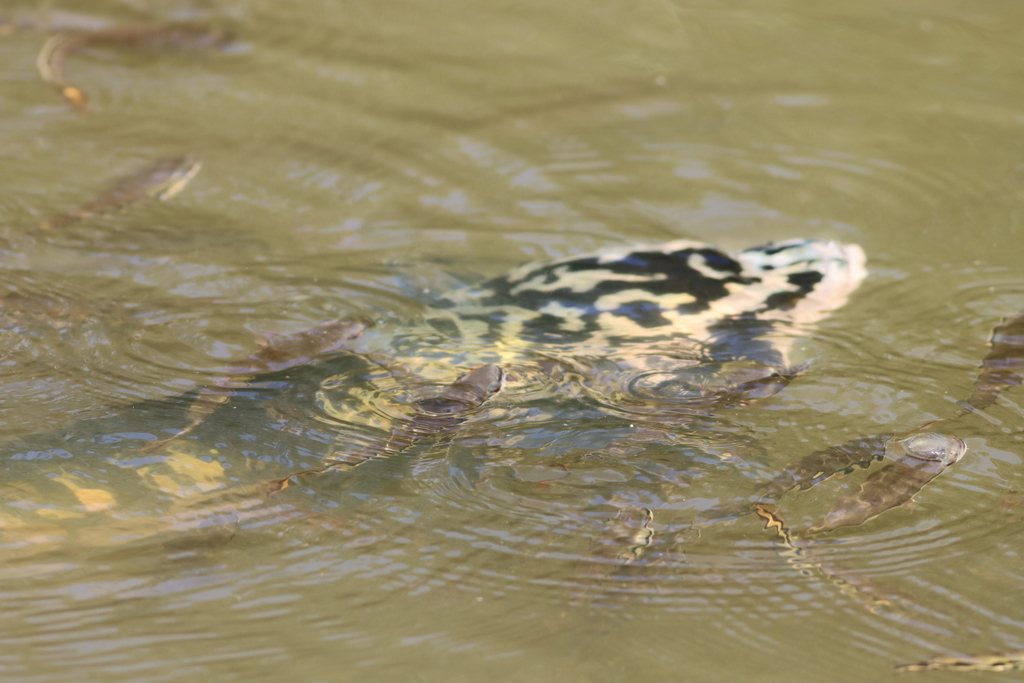
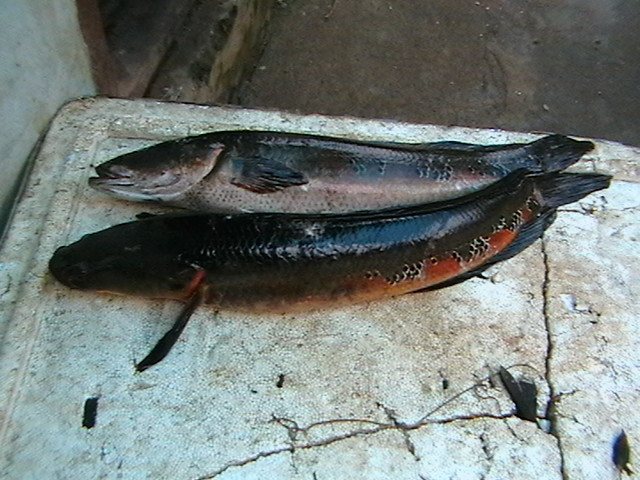
Documented northern snakehead water in Harford County, Maryland. Upper Chesapeake Bay drainage. 4 USGS specimen records (2023); status: reported. Location verified from the USGS Nonindigenous Aquatic Species database.
🌊 Tidal water
NOAA Havre de Grace · 0.5 mi
Rising now — next High tide 1:35 PM (in 2h 27m).
High 12:54 AM · 2.5′Low 8:09 AM · 0.4′High 1:35 PM · 1.9′Low 7:34 PM · 0.4′
🎣 Fish the tide, not the clock: snakehead pin bait to the grass on the flood, then feed hard as the falling (ebb) tide drains it out of the cover — the last couple hours of the outgoing into low slack is prime.
Upper Chesapeake Bay's tidal shallows are prime snakehead water, and this stretch fishes true to form. Look for fish holding tight to matted grass, lily pads, and any sunken wood along the skinnier edges where the current slows. Snakeheads here ambush from cover, so working the seams between open water and vegetation is key rather than blind-casting the middle.
Because the bay is tidal—Havre de Grace's station sits just half a mile off and governs the swings here—timing matters as much as location. High water pushes fish deep into flooded grass and pad fields where they're nearly untouchable. As the tide starts to fall, though, snakeheads slide out of that thick cover toward defined edges and drains, and that ebb movement is when the bite really turns on. Plan your trip around the last two hours of the falling tide if you can.
Access is straightforward but modest—shore parking is mapped about 0.37 mi from the water, and a boat ramp sits roughly 0.39 mi out, giving both bank anglers and small boat or kayak guys a reasonable way in. From either approach, stick close to cover.
Gear-wise, keep it simple: weedless topwater frogs and buzzbaits worked right over the grass and pads, chatterbaits for searching edges, and weedless soft plastics punched into thicker mats. Spool up with 40-65 lb braid—snakeheads bury into cover hard, and you need the backbone to horse them out.
🅿️ Parking & shore access
+ 9 more parking areas are on the map above. For every lot, tap 🅿️ All parking in Maps up top.
🛶 Boat ramps & launches
Parking near the ramp
Coordinates are approximate, for finding the general area. Snakehead is an invasive species — regulations on catching, keeping, transporting and killing it vary by state and change often. Never move a live snakehead between waters. Always confirm current rules with your state wildlife agency before you fish.